Before you sign a lease for a gym, you need three numbers: what it costs to open, what it costs to run each month, and how many members it takes to cover it.
This guide breaks down gym startup costs in 2026: equipment, flooring, rent and everything else, with two example budgets, monthly running costs and ways to open for less. Figures are in US dollars, but the same categories apply anywhere.
How Much Does It Cost to Open a Gym?
Most new independent gyms in the US cost $100,000–$1,000,000 to open, including a cash reserve.
| Type of gym | Typical size | Typical startup cost |
|---|---|---|
| Personal training studio, micro gym | 1,000–2,000 sq ft | $30,000–$100,000 |
| Small strength gym | 2,500–5,000 sq ft | $100,000–$250,000 |
| Full-service gym | 8,000–15,000+ sq ft | $500,000–$1,000,000+ |
The range is wide because three things drive most of the cost:
- Size. A bigger space means more rent, more flooring, more equipment and a bigger build-out.
- Equipment. New commercial cardio and strength machines cost thousands of dollars each.
- Build-out. A former gym or warehouse that only needs flooring is far cheaper than an empty shell that needs bathrooms, showers and ventilation.
These are planning estimates, not quotes. Your real numbers come from local landlords, contractors, equipment suppliers and insurers.
If you're opening a CrossFit box rather than a general gym, see our guide to CrossFit gym startup costs.
One-Time Startup Costs
Lease deposit and first month's rent
Most landlords ask for a deposit of 1–3 months' rent plus the first month upfront.
The average US retail asking rent was about $24.79 per square foot per year in mid-2026. Many gyms rent cheaper industrial or warehouse space, or large units in older shopping centers, because they need lots of floor space and parking more than foot traffic. Many leases also add shared costs for property tax, building insurance and maintenance. Ask for the full monthly cost, not just the base rent.
Check three things before you sign:
- Floor strength. Dropped weights and heavy machines need a ground floor or a slab that can take the load.
- Noise. Dropped barbells and music travel. Avoid sharing walls with offices or homes.
- Parking. Most members drive, and many arrive at the same peak times, around 6 a.m. and 6 p.m.
Tip: Ask the landlord for a few rent-free months while you build out, and a tenant improvement allowance (money toward the build-out). Both are common in commercial leases.
Equipment
Equipment is usually the biggest single cost. Rough prices for new commercial-grade gear:
| Item | Rough cost (new) |
|---|---|
| Power rack or squat rack | $1,000–$4,000 |
| Olympic barbell | $200–$800 |
| Plate set (300+ lb, iron or bumper) | $500–$1,500 |
| Dumbbell set (5–100 lb) with rack | $5,000–$15,000 |
| Adjustable bench | $300–$1,500 |
| Selectorized strength machine | $3,000–$10,000 |
| Commercial treadmill | $5,000–$15,000 |
| Rower, air bike or upright bike | $900–$3,000 |
A small strength gym with six racks, free weights and a few cardio machines might spend $30,000–$60,000. A full-service gym with rows of treadmills, bikes and a full line of strength machines often spends $200,000–$300,000 or more.
Two ways to spend less:
- Buy used. Refurbished commercial equipment from closing gyms and dealers often costs far less than new. Racks, plates and dumbbells last for decades.
- Lease. Equipment leasing spreads the cost over a few years. You pay more in total, but keep cash for the first months.
Rubber flooring
Gym floors take a beating, so most gyms use rubber rolls or tiles. Flooring supplier Greatmats lists interlocking rubber tiles at about $2.25–$3.80 per square foot, from 1/4 to 1/2 inch thick, plus freight. Thicker rubber, professional installation and lifting platforms all add to that. Plan for roughly $3–$8 per square foot, or $7,500–$20,000 for 2,500 sq ft of training floor.
Use thicker flooring (at least 1/2 inch) or platforms where people drop heavy weights. Turf for sled pushes and sprints costs extra.
Build-out and renovation
This covers everything else to turn an empty unit into a gym:
- Bathrooms, changing rooms and showers
- Heating, cooling and ventilation (a full gym gets hot and humid fast)
- Lighting, paint and mirrors
- A front desk and a small office
- A separate room for group classes, if you run them
- Storage for cleaning supplies and small equipment
As a rough guide:
| Level of work | Rough cost per sq ft |
|---|---|
| Light refresh (paint, lighting, small fixes) | $5–$15 |
| Standard build-out (changing rooms, front desk, walls) | $20–$50 |
| Full build-out (new bathrooms, showers, HVAC, structural) | $50–$100+ |
A space that was already a gym can save you tens of thousands of dollars. Get at least three contractor quotes, and check which permits your city requires.
Entry system and security
If members can train when no staff are there, you need a door entry system (key fobs, cards or a phone app) and security cameras. Budget $3,000–$15,000, depending on the number of doors and cameras. Even staffed gyms often add cameras for safety and insurance.
Sound system
A gym needs speakers that cover the whole floor, plus a separate system with a microphone for a group class room. Budget $1,000–$6,000.
Music licensing
Playing copyrighted music in a gym usually needs a license. In the US, that means performing rights organizations such as BMI, ASCAP and SESAC, which each charge separately, often based on your size and whether you run classes. Budget a few hundred to a couple of thousand dollars a year and get quotes before you open. Other countries have their own licensing bodies.
Legal, licenses and permits
- Business registration, such as an LLC: often $50–$500, depending on the state
- Business license and certificate of occupancy: varies by city
- Lawyer to review the lease and your membership contract: $1,000–$3,000
- Liability waiver written for your state
Budget $2,000–$6,000 for a simple setup, and more if the build-out needs architect drawings. Some states also have health club laws that require a bond or set rules for membership contracts, so check yours.
Insurance
You'll need general liability and professional liability insurance, and usually property cover for your equipment. If you hire staff, you'll also need workers' compensation in most states. Budget roughly $2,000–$6,000 a year and get quotes from at least two insurers that work with gyms.
Furniture, lockers and supplies
Lockers or cubbies, front desk furniture, a first aid kit and AED, cleaning supplies and wipes, and small equipment such as bands, mats and kettlebells. Budget $2,500–$20,000, depending on size.
Branding, website and signage
- Gym name and logo: $500–$3,000 (need ideas? See our gym name ideas)
- Website: $0–$3,000 (a simple site or your booking page is enough to start)
- Outdoor sign: $1,000–$6,000
Launch marketing
Budget $5,000–$15,000 for a presale, open days, free trial passes, flyers and local social ads. January is the busiest month for new gym members, so opening in late December or early January gives you a strong start. Our gym marketing ideas cover what to do before and after you open.
Software
You need a way for members to sign up, pay every month and book classes or personal training. Gym software costs about $30–$300 a month, plus card fees. Time2book starts at $39 a month.
Cash reserve
Keep at least 3–6 months of running costs in the bank. Your first months rarely fill, and summer is quieter at most gyms.
Startup Cost Examples
Two example budgets. Your numbers will differ, but the categories won't.
Example 1: Small strength gym
3,000 sq ft in a smaller city: 2,500 sq ft of training floor with racks, free weights and some cardio, plus a bathroom, changing area and front desk. The space only needs a refresh. Equipment is a mix of new and used.
| Cost | Amount |
|---|---|
| Deposit and first month's rent | $15,000 |
| Rubber flooring (2,500 sq ft × $5) | $12,500 |
| Strength equipment (racks, weights, benches) | $40,000 |
| Cardio equipment (6 machines, mostly used) | $12,000 |
| Refresh: paint, lighting, changing area | $15,000 |
| Entry system and cameras | $5,000 |
| Sound system | $1,500 |
| Furniture, lockers and supplies | $2,500 |
| Branding, website and signage | $4,000 |
| Legal, licenses and permits | $3,000 |
| Insurance (first year) | $2,500 |
| Music licenses (first year) | $1,000 |
| Launch marketing | $5,000 |
| Startup costs | $119,000 |
| Cash reserve (3 months) | $50,000 |
| Total | $169,000 |
Example 2: Full-service gym
10,000 sq ft in a suburb: a cardio area, strength machines, free weights, a group fitness room, changing rooms with showers and an office. Needs a standard build-out and mostly new equipment.
| Cost | Amount |
|---|---|
| Deposit and first month's rent | $45,000 |
| Build-out (10,000 sq ft × $30) | $300,000 |
| Rubber flooring (7,000 sq ft × $6) | $42,000 |
| Strength machines and free weights | $120,000 |
| Cardio equipment (about 25 machines) | $150,000 |
| Group fitness room equipment | $10,000 |
| Entry system and cameras | $15,000 |
| Sound systems | $6,000 |
| Furniture, lockers, front desk and supplies | $20,000 |
| Branding, website and signage | $12,000 |
| Legal, licenses, permits and architect | $15,000 |
| Insurance (first year) | $6,000 |
| Music licenses (first year) | $2,000 |
| Launch marketing and presale | $15,000 |
| Startup costs | $758,000 |
| Cash reserve (3 months) | $165,000 |
| Total | $923,000 |
A gym this size might spend about $55,000 a month to run, mostly on rent and staff. Many owners finance part of it with a bank or SBA loan, or lease the cardio equipment.
Monthly Running Costs
Here's an example for the small strength gym above, with staffed hours and about 20 group classes a week:
| Cost | Monthly |
|---|---|
| Rent, including shared costs | $6,000 |
| Front desk and cleaning staff | $4,000 |
| Coach pay (20 classes a week × $30) | $2,600 |
| Utilities | $1,200 |
| Cleaning and supplies | $500 |
| Equipment repairs and servicing | $300 |
| Marketing | $800 |
| Software and payment fees | $700 |
| Insurance | $200 |
| Music licenses | $85 |
| Accounting and other admin | $400 |
| Total | $16,785 |
If you coach and run the front desk yourself, these costs fall sharply, but so does your free time. Some gyms cut staff costs with 24-hour access, but that means a bigger spend on entry systems, cameras and insurance.
How Many Members Do You Need to Break Even?
Divide your monthly costs by your average monthly revenue per member:
$16,785 ÷ $60 average per member ≈ 280 members
Gyms also lose members every month, so you need to keep signing new ones just to stay at 280.
Ways to break even sooner:
- Presell memberships before you open, with a founding-member rate.
- Add personal training. One client paying for two sessions a week can bring in more than five regular members. Our guide on how much to charge for personal training shows how to set rates.
- Run small group classes for an extra fee, or include them in a higher membership tier.
- Use contracts and automatic payments so members don't drift away after a few weeks.
- Sell extras such as drinks, supplements, apparel and day passes.
How to Open a Gym for Less
- Start small. A personal training studio or micro gym needs a fraction of the space and equipment.
- Take over a former gym. Existing flooring, changing rooms and sometimes equipment can save tens of thousands of dollars.
- Choose a cheaper location. Members will drive to a good gym. A warehouse unit with parking can beat a main street storefront.
- Buy used equipment. Racks, plates, dumbbells and benches barely wear out.
- Lease the expensive machines. Spread the cost of cardio equipment over a few years.
- Focus on free weights. Racks and dumbbells cost far less per square foot than rows of machines, and many members prefer them.
- Coach yourself at first. It keeps costs down while you build your reputation.
- Rent out quiet hours to personal trainers, physiotherapists or sports teams.
Common Mistakes When Budgeting for a Gym
- No cash reserve. Gyms close when they run out of cash, not members.
- Too much new equipment. Members care about clean, working equipment, not whether it's brand new.
- Ignoring member churn. Budget for losing a share of members every month.
- Weak floors and thin walls. Dropped weights can crack a slab and annoy neighbors. Both are expensive to fix later.
- Forgetting music licenses and health club rules. They're easy to miss until a letter arrives.
- Underestimating the build-out. Add 10–20% to every contractor quote for surprises.
- Collecting fees by hand. Chasing late payments takes hours every month. Set up automatic payments from day one.
How Time2book Helps You Run Your Gym
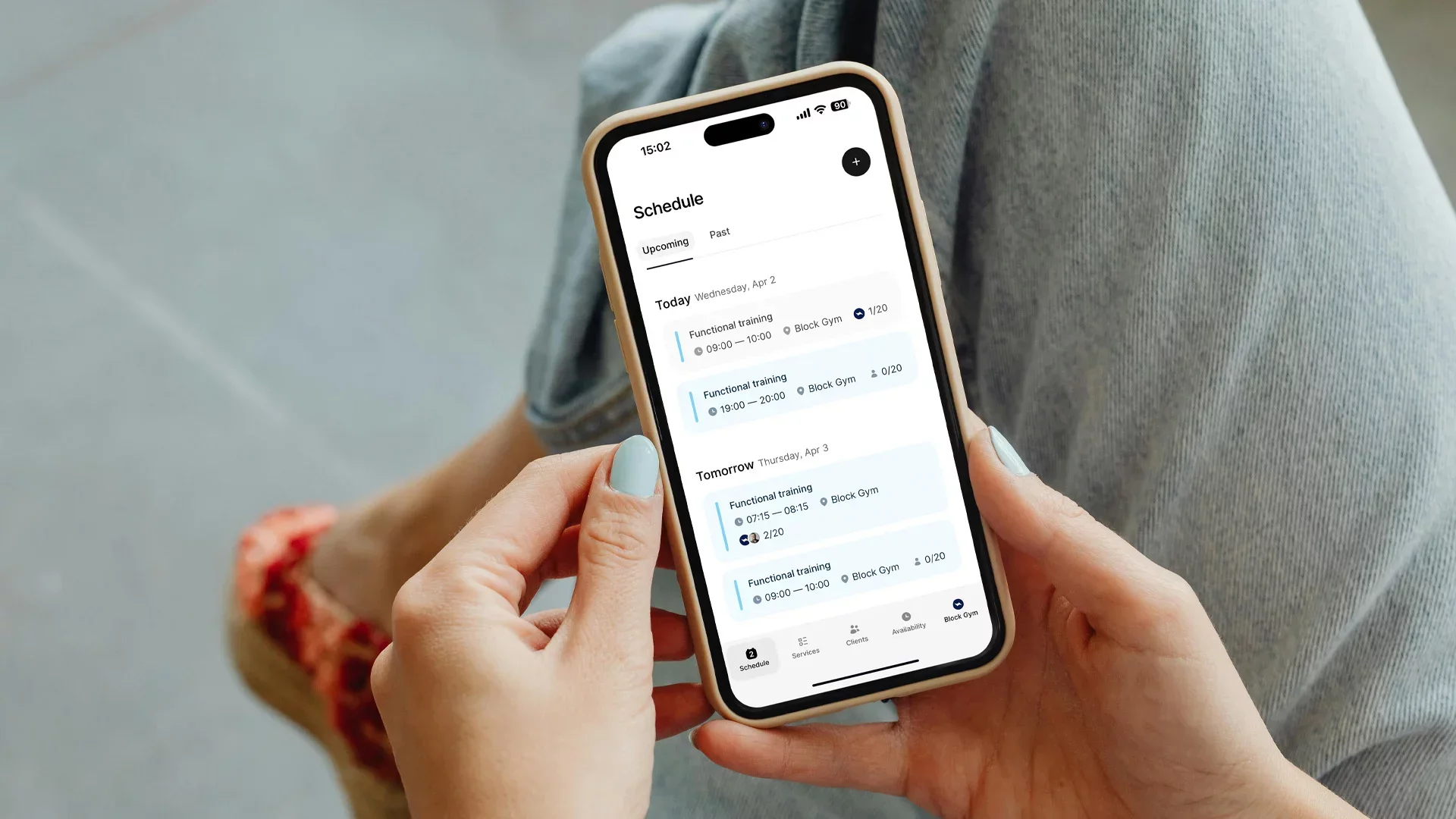
Once you open, Time2book handles memberships, bookings and payments, so you can focus on your members.
- Memberships: Sell recurring memberships that bill automatically, and add a contract for 6- or 12-month terms. See how to automate gym bookings and payments.
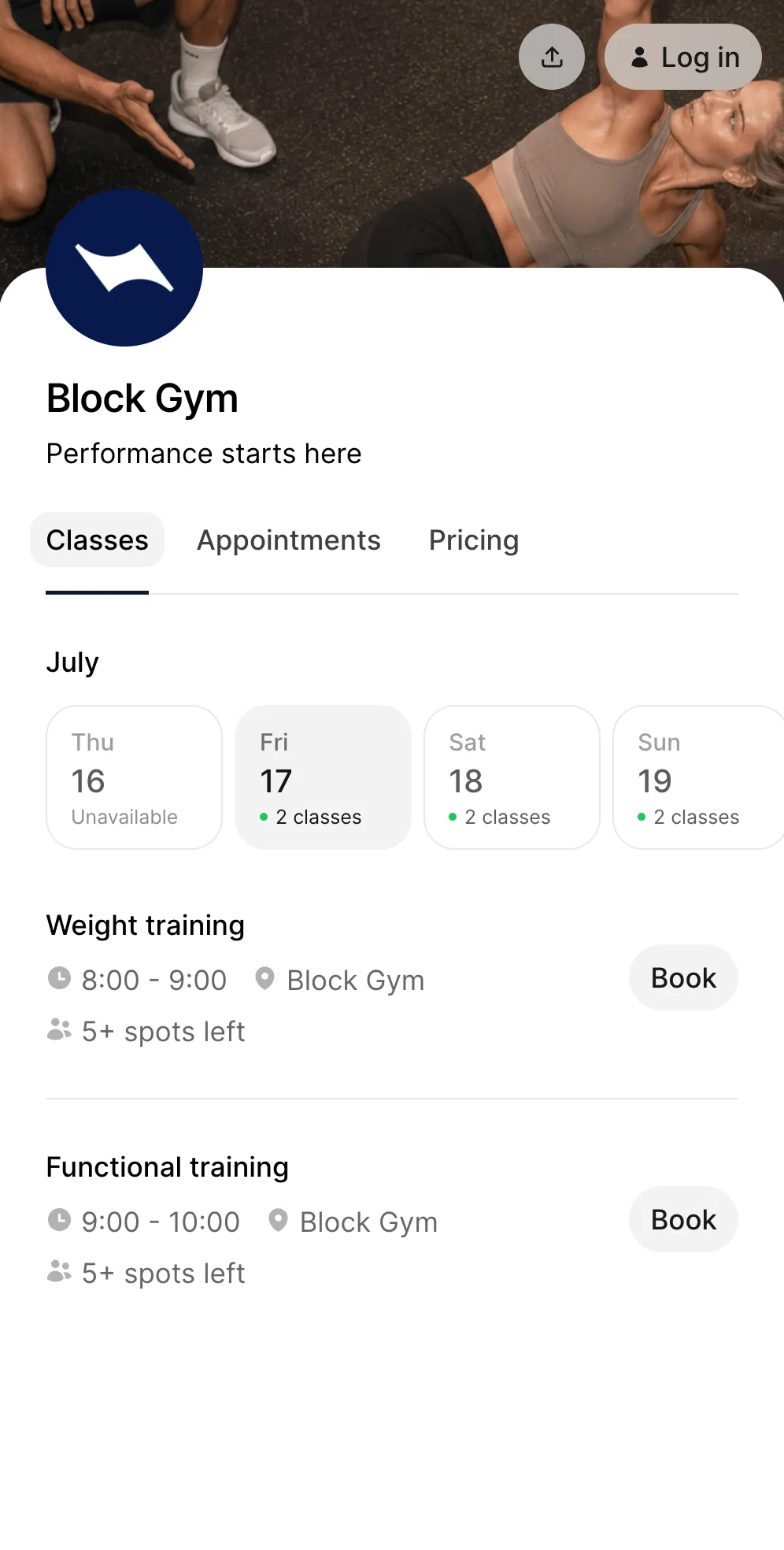
- Class schedule: Members book classes online from your booking page, on any phone, without downloading an app.
- Personal training: Members book one-to-one sessions with your trainers, and you can sell session packs with an expiry date.
- Waitlists: When a class is full, members join the waitlist.
- Attendance: Track class attendance to spot members who stop coming before they cancel.
- Announcements: Send announcements about closures, new classes and offers.
Time2book Starter costs $39 a month, plus Stripe fees and a 0.9% Time2book platform fee on online payments. You can try it free for 7 days without a credit card. Comparing tools? See our roundup of the best gym booking software.
Final Thoughts
Opening a gym costs anywhere from $30,000 for a small personal training studio to $1 million or more for a full-service gym. Size, equipment and build-out decide most of it, and your cash reserve decides whether you make it through the first year.
Get real quotes, buy used where you can, and open in time for January with members already signed up.
Frequently Asked Questions About Gym Costs
Most new independent gyms in the US cost $100,000–$1,000,000 to open, including a cash reserve for the first few months. A small strength gym of around 3,000 square feet can open for $100,000–$250,000. A full-service gym of 10,000 square feet or more often needs $500,000 to over $1 million.
These are planning estimates. Get local quotes for rent, equipment and build-out before you commit.
Yes, if you start small. A personal training studio or micro gym of 1,000–2,000 square feet with used equipment can open for $30,000–$100,000. You can also lease equipment instead of buying it, or coach in someone else's gym and build a client list before you sign a lease.
A small strength gym can equip itself for about $30,000–$60,000 with a mix of new and used racks, barbells, plates, dumbbells, benches and a few cardio machines. A full-service gym with rows of cardio machines and strength machines often spends $200,000–$300,000 or more.
Usually equipment and build-out. Cardio and strength machines are expensive, and a large space often needs new bathrooms, changing rooms, ventilation and flooring. Rent and staff are the biggest ongoing costs.
A small strength gym of about 3,000 square feet might spend $15,000–$20,000 a month. A full-service gym of 10,000 square feet can spend $50,000 or more. Rent and staff are the biggest items, followed by utilities, software, payment fees, marketing and equipment repairs.
Divide your monthly costs by your average monthly revenue per member. A gym with $16,785 in monthly costs and an average of $60 per member needs about 280 paying members. Personal training and classes raise revenue per member, so you need fewer members to break even.
A personal training studio can work in 1,000–2,000 square feet. A small strength gym usually needs 2,500–5,000 square feet, and a full-service gym with cardio, machines, free weights and a group fitness room often needs 8,000–15,000 square feet or more.
Usually not. A franchise adds a franchise fee, ongoing royalties and required equipment and design, so the total is often higher than an independent gym of the same size. In return you get a known brand, a proven setup and support. Read the franchise disclosure document before you decide.
Many gyms take one to two years to reach steady profit. Selling memberships before you open, often called a presale, shortens that by giving you paying members on day one.
It can be, with realistic numbers. Most successful independent gyms keep rent in check, keep members for a long time, and earn extra from personal training, small group classes and products.