
Running a great gym is not enough to guarantee a steady flow of new members. People need to discover your business, understand what makes it different, trust your trainers, and feel confident enough to take the first step.
That is where effective marketing for gyms comes in. The goal is not simply to generate more website visits, Instagram followers, or enquiries. Your marketing should create a clear journey from discovering your gym to booking a trial, attending a first session, and becoming a long-term member.
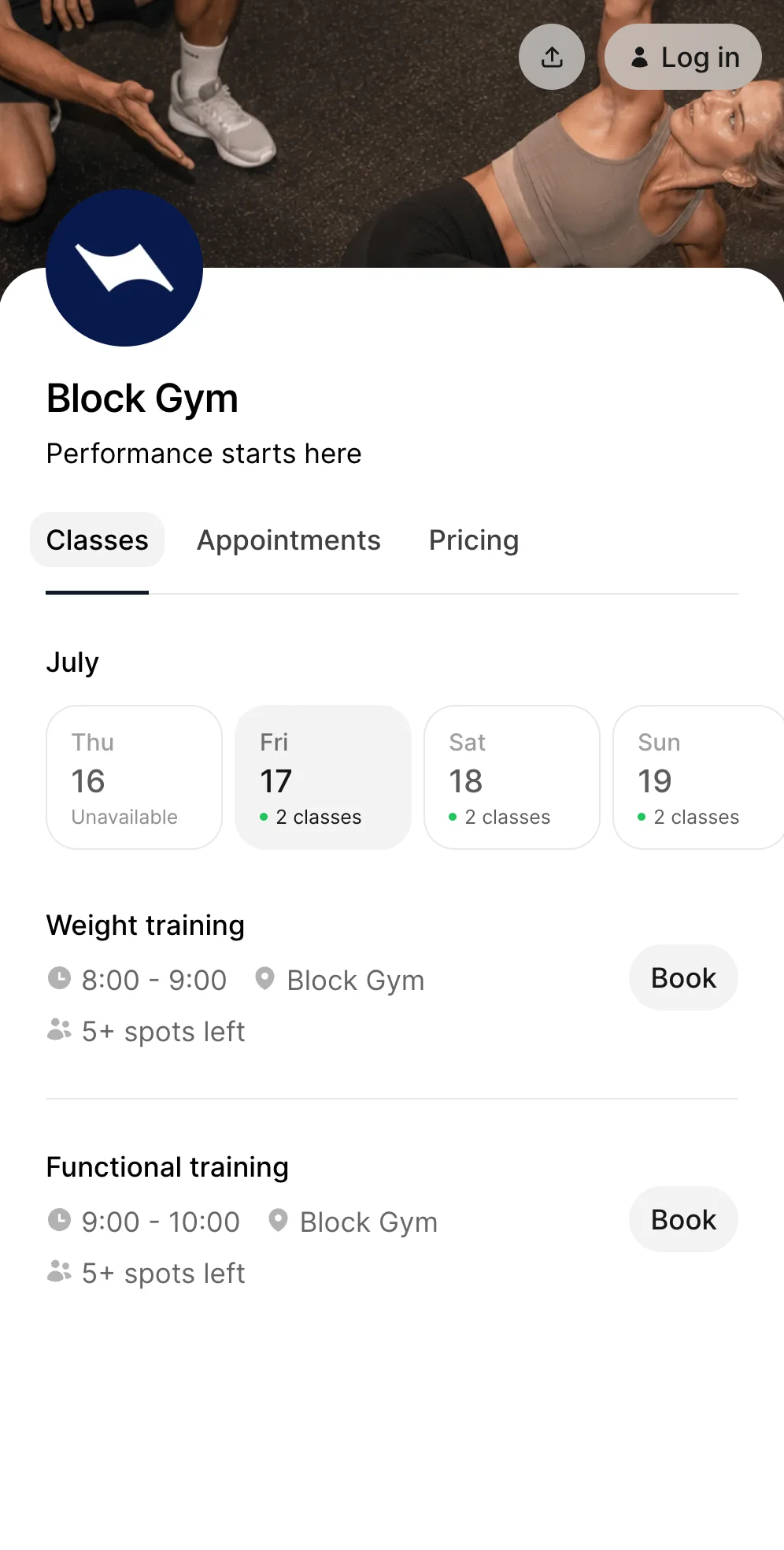
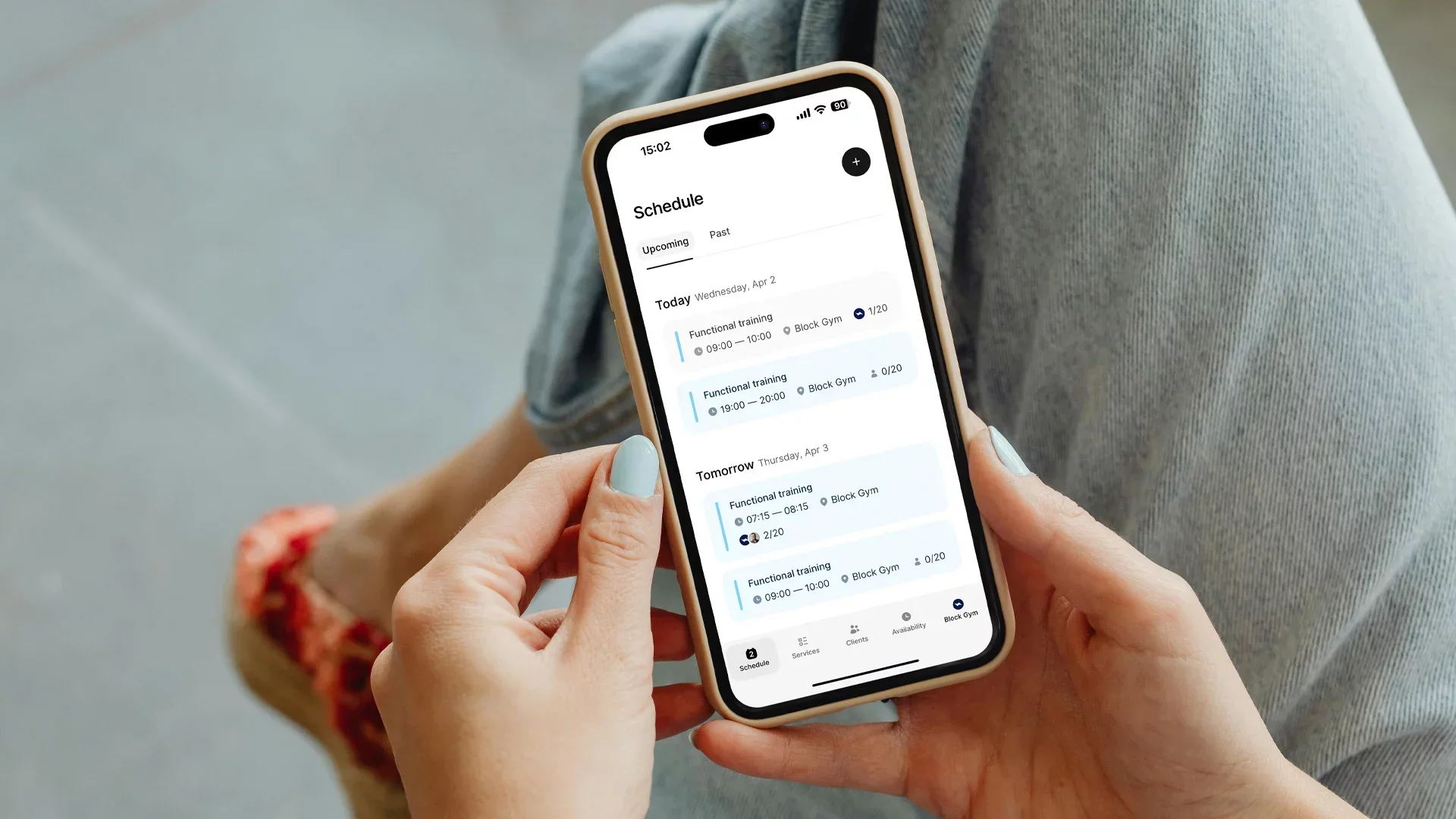
The right systems make that journey easier. With modern fitness studio software, such as Time2book, potential members can view your schedule, book a class, purchase a membership, and pay online without waiting for a reply from your team.
In this guide, we’ll break down the best marketing strategies for gyms in 2026, including local marketing, social media, referrals, introductory offers, paid advertising, and member retention.
What Is Gym Marketing?
Gym marketing is the process of attracting prospective members, converting them into paying clients, and encouraging existing members to stay engaged.
It includes everything from your Google Business Profile and social media content to referral programs, email campaigns, local partnerships, introductory offers, and the experience someone has when they first visit your website.
The most effective marketing for gyms covers the complete member journey:
- A potential member discovers your gym.
- They understand who it is for and what you offer.
- They book a trial, consultation, or first session.
- They have a positive initial experience.
- They purchase a membership or training package.
- They continue attending and recommending the gym to others.
Marketing does not end when someone joins. Retention, community building, communication, and referrals are all part of a successful gym marketing strategy.
Gym marketing strategy vs. gym marketing campaign
| Term | Meaning |
|---|---|
| Gym marketing strategy | Your overall approach to attracting and retaining members |
| Gym marketing plan | The channels, budget, schedule, and actions you will use |
| Gym marketing campaign | A time-limited promotion with a specific objective |
| Gym advertising | Paid promotion through Google, Meta, local media, or other platforms |
| Member retention marketing | Communication designed to keep current members active and engaged |
Build the Foundations Before Marketing Your Gym
Before trying different gym marketing ideas, make sure the foundations of your business are clear. More promotion will not fix a confusing offer, a complicated booking process, or messaging that sounds the same as every other gym.
Define your ideal gym member
Trying to appeal to everyone usually results in generic marketing. Identify the people your gym is best equipped to help.
Your ideal members might include:
- Complete beginners who feel uncomfortable in large gyms
- Busy professionals looking for efficient workouts
- Parents who need convenient class times
- Strength athletes seeking specialist equipment
- Older adults who want supervised training
- People interested in boxing, martial arts, or functional fitness
- Members who prefer small-group coaching
- Clients who need accountability and personal support
Your target audience influences your messaging, photography, class schedule, introductory offers, advertising, and pricing.
For example, marketing aimed at experienced strength athletes should look very different from marketing for beginners who have never joined a gym.
Create a clear value proposition
A value proposition explains why someone should choose your gym instead of another option nearby.
Avoid generic statements such as:
Friendly gym with excellent equipment and experienced trainers.
Most gyms could make the same claim. Be more specific about who you help and how you help them.
For example:
Small-group strength coaching for busy professionals who want expert support, accountability, and a structured training plan.
Another example might be:
A beginner-friendly gym where every new member receives guidance, a personal plan, and support from a real coach.
A strong value proposition helps potential members quickly decide whether your gym is right for them.
Choose one clear next step
Do not make prospects choose between ten memberships before they have experienced your gym. Give new visitors one simple and low-risk next step.
That might be:
- Book a free gym tour
- Start a seven-day trial
- Join an introductory class
- Complete a fitness assessment
- Purchase a three-session starter pack
- Join a six-week beginner program
- Schedule a consultation with a trainer
Once you have established your audience, message, and introductory offer, you can start promoting your gym more effectively.
25 Marketing Ideas for Gyms
The following gym marketing strategies are organized by channel and purpose. You do not need to implement all 25 at once. Start with the ideas that match your current goals, audience, and available resources.
Local Marketing for Gyms
1. Optimize your Google Business Profile
Your Google Business Profile is one of the most important marketing assets for a local gym. It can appear when people search for terms such as “gym near me,” “boxing gym,” “strength training,” or “fitness classes in [city].”
Make sure your profile includes:
- The correct gym name, address, and phone number
- Accurate opening hours
- The most relevant business categories
- A clear gym description
- High-quality photographs
- Your website and booking links
- A list of services and classes
- Regular updates and announcements
Google recommends keeping business information complete and accurate. It also explains that local results are primarily influenced by relevance, distance, and prominence.
Upload photographs that show the real experience rather than only empty equipment. Include trainers coaching, members participating in classes, your entrance, changing facilities, and the overall environment.
2. Ask members for Google reviews
Reviews help potential members understand what it is really like to train at your gym. They can answer concerns about the atmosphere, trainers, cleanliness, difficulty level, and whether beginners feel welcome.
Good moments to request a review include:
- After a member completes their first month
- When someone reaches a personal milestone
- Following positive feedback
- At the end of a successful challenge
- After a membership renewal
- When a member recommends the gym to a friend
Make the process simple by sending a direct review link. You can also place a QR code at reception, but a personal message usually feels more genuine.
Avoid offering rewards specifically for positive reviews. Ask members to share an honest account of their experience.
3. Create location-specific website content
Your website should clearly tell search engines and potential members where your gym is located and what it offers.
Instead of using only broad terms such as “fitness coaching,” create pages or sections targeting relevant local searches:
- Strength gym in Bristol
- Boxing classes in East London
- Women’s gym in Toronto
- Small-group fitness in Manchester
- Beginner gym classes in Dublin
Do not create dozens of nearly identical pages for places you do not genuinely serve. Focus on your real location, surrounding areas, and specific services.
4. Partner with complementary local businesses
Local partnerships can introduce your gym to people who already care about health, fitness, or personal development.
Potential partners include:
- Physiotherapists
- Sports massage therapists
- Nutritionists
- Healthy cafés
- Running stores
- Sports clubs
- Universities
- Local employers
- Schools
- Wellness professionals
A partnership should benefit both businesses. You might exchange referral cards, create a shared offer, run an educational workshop, or give each other’s customers access to an introductory experience.
5. Attend local events
Community events create opportunities to meet prospective members in a relaxed environment.
Look for:
- Charity runs
- Community fairs
- School events
- Corporate wellness days
- Local markets
- Sports competitions
- Outdoor festivals
- University events
Avoid simply setting up a table with leaflets. Give people a reason to participate. Run a simple fitness challenge, offer movement assessments, demonstrate exercises, or provide short consultations.
Collect contact details only when people clearly agree to receive follow-up communication.
6. Run a gym open day
An open day allows potential members to experience your gym without the pressure of committing immediately.
Your event could include:
- Gym tours
- Short beginner classes
- Equipment demonstrations
- Trainer introductions
- Fitness assessments
- Member testimonials
- Food or refreshments
- A limited introductory offer
Promote the event through your members, local businesses, email list, Google Business Profile, and social media. Let visitors book a time in advance so you can estimate attendance and follow up afterwards.
Try Time2book free for 7 days.
Gym Offers and Lead Generation
7. Create a beginner-friendly trial
A free or discounted trial is most effective when it has structure. Giving someone access to the building without guidance may leave them feeling unsure about what to do.
A better trial might include:
- A short consultation
- A gym tour
- A coached first session
- A recommended training schedule
- A clear membership option
Explain exactly what new visitors can expect. Address common concerns such as fitness level, equipment, clothing, parking, and whether they need previous experience.
8. Offer a starter pack
A starter pack creates more commitment than a single free session while remaining less intimidating than a recurring membership.
Examples include:
- Three classes for €25
- Five gym visits with an induction
- Two personal training sessions and one group class
- A seven-day unlimited class pass
- A beginner assessment and three coached workouts
Set a clear expiration date so new clients use the sessions while their motivation is still high.
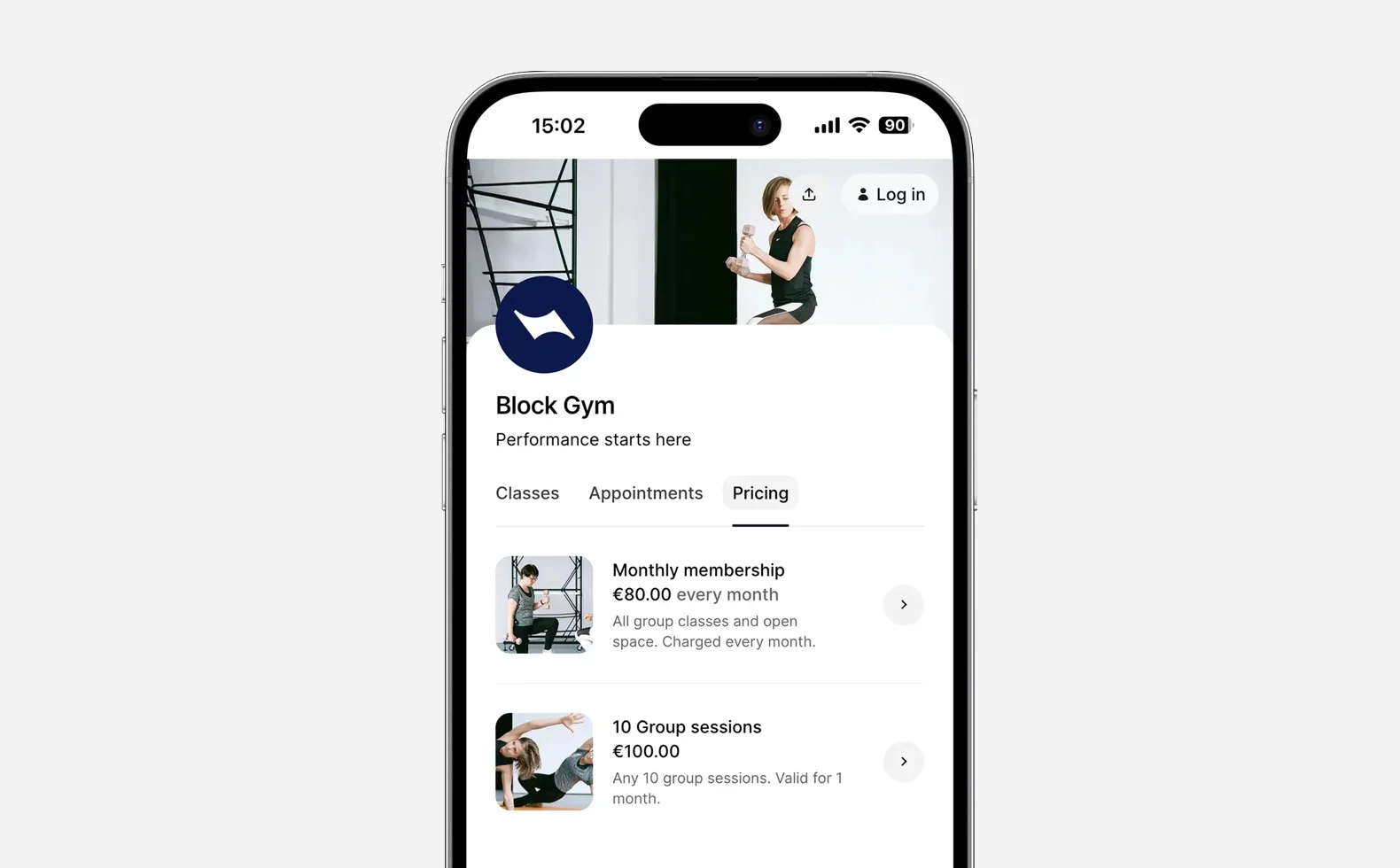
With Time2book, gyms can create one-time packs, connect them to eligible services, accept payment online, and let clients book their included sessions.
9. Run a six-week fitness challenge
A challenge gives people a clear goal, timeline, and reason to begin now.
Possible themes include:
- Beginner strength challenge
- Six weeks to better fitness
- Return-to-training program
- Boxing fundamentals challenge
- Mobility and movement program
- Team consistency challenge
Focus on habits, performance, attendance, confidence, or energy rather than promising unrealistic physical transformations.
The program should have a clear start date, limited capacity, scheduled sessions, and an obvious next step after the challenge finishes.
10. Launch founder memberships before opening
A new gym does not need to wait until opening day to start attracting members.
Founder memberships can help you:
- Build an initial community
- Generate early revenue
- Validate local demand
- Collect leads
- Create momentum before launch
Offer a meaningful benefit, such as a protected membership rate, priority booking, a free starter session, or access to a private launch event.
Make any limit genuine. If you advertise only 50 founder memberships, stop offering them when all 50 have been sold.
11. Offer a free fitness consultation
Some prospects are not ready to join a class or purchase a membership. A consultation gives them an easier way to begin.
During the consultation, discuss:
- Their current activity level
- Previous gym experience
- Personal goals
- Schedule and availability
- Relevant concerns
- Suitable services or membership options
The purpose is not to pressure someone into the most expensive plan. Recommend the most appropriate next step based on what they tell you.
12. Run a member guest week
Allow current members to bring a friend during a defined promotional period.
Member guest campaigns work best when:
- Booking is easy
- The guest receives clear instructions
- Classes are suitable for beginners
- Trainers know which participants are new
- There is a follow-up offer
- The referring member is recognized
Ask members to invite someone personally rather than relying only on a general social media post.
Social Media Marketing for Gyms
13. Show the real gym experience
Potential members want to understand how your gym feels. They may be wondering whether it is friendly, intimidating, crowded, advanced, or suitable for beginners.
Show:
- Trainers helping members
- Classes in progress
- Different ability levels
- Member celebrations
- Community events
- Behind-the-scenes work
- A typical first visit
- Facility improvements
Polished promotional videos can be useful, but everyday content often gives a more believable picture of your gym.
Always get permission before posting recognizable images or videos of members.
14. Publish short educational videos
Your trainers already have knowledge that potential members find valuable. Turn common questions into short videos.
Topics could include:
- How to perform a basic exercise
- How to adjust gym equipment
- What to expect during a first class
- Common beginner mistakes
- Warm-up ideas
- Recovery tips
- Exercise modifications
- Training terminology
Each video should answer one specific question. End with a relevant invitation, such as booking an introductory class or saving the post for later.
15. Share member stories
Member stories provide social proof without making your marketing entirely about weight loss or appearance.
Celebrate improvements such as:
- Becoming more consistent
- Increasing strength
- Feeling more confident
- Returning after an injury
- Completing a first competition
- Making friends through classes
- Improving energy
- Learning a new skill
Tell the story behind the result. What was the member worried about before joining? What helped them continue? What would they tell another beginner?
16. Create a recurring content series
A recurring format makes content planning easier and gives your audience something recognizable.
Examples include:
- Monday movement tip
- Meet the member
- Trainer question of the week
- Exercise of the week
- Friday class recap
- Monthly member milestone
- Beginner gym question
Choose two or three formats you can sustain instead of trying to publish a completely new idea every day.
17. Encourage user-generated content
Members can become some of your most credible marketers.
Give them shareable moments by creating:
- Milestone boards
- Challenge completion cards
- Branded photo areas
- Class recap photographs
- Community hashtags
- Competition results
- Member achievement templates
Repost member content only with permission. Recognition should feel celebratory rather than forced.
18. Work with local micro-influencers
A local creator with a smaller, engaged audience may be more useful than a large influencer whose followers live in different cities or countries.
Look for people who:
- Live near your gym
- Match your target audience
- Create relevant lifestyle or fitness content
- Communicate authentically
- Have genuine engagement
- Would realistically use your services
Agree in advance on the experience, content, timeline, disclosure requirements, and whether payment or free access is involved.
Referral and Community Marketing
19. Create a simple gym referral program
Your happiest members already know people who could be a good fit for your gym. A referral program gives them an extra reason to make an introduction.
Keep the offer easy to understand:
Refer a friend who becomes a member, and you both receive €25 in gym credit.
Alternative rewards might include:
- A free personal training session
- A membership discount
- Branded merchandise
- A complimentary workshop
- An additional class
- Credit toward the next payment
Promote the program regularly. A referral scheme hidden in your membership terms will not generate many referrals.
20. Celebrate member milestones
Recognition helps members feel that their effort matters.
Possible milestones include:
- First ten visits
- 25 completed classes
- 50 completed workouts
- First pull-up
- First competition
- Six months of consistent training
- One-year membership anniversary
- A personal strength record
Celebrate milestones in person and, with permission, through social media or email. Small moments of recognition can strengthen the relationship between a member and the gym.
21. Create recurring community events
Community can be one of the strongest reasons people stay with a gym.
Events might include:
- Monthly member workouts
- Outdoor training sessions
- Running clubs
- Hiking days
- Technique workshops
- Nutrition seminars
- Charity challenges
- Member breakfasts
- Social evenings
Do not make every event a sales event. Some should simply improve the member experience and help people build relationships.
22. Partner with local employers
Corporate wellness partnerships can introduce your gym to groups of potential members at once.
You could offer:
- Employee trial weeks
- Corporate membership rates
- Private team classes
- Workplace mobility sessions
- Fitness assessments
- Team challenges
- Educational workshops
Start with nearby employers whose staff can realistically travel to your gym before work, during lunch, or after work.
Paid Advertising for Gyms
23. Run location-focused Meta ads
Meta advertising can help gyms reach people in a defined geographic area. Meta allows advertisers to build audiences using factors such as location and interests.
Keep your initial campaign simple:
- Promote one offer
- Target a realistic distance around the gym
- Use real gym photography or video
- Send people to a focused landing page
- Make the next step clear
- Track actual trial bookings, not only clicks
Avoid sending paid traffic to a generic homepage with multiple competing calls to action. Create a page specifically for the advertised trial, challenge, or consultation.
24. Use Google Ads for high-intent searches
Google Ads can place your gym in front of people already searching for a nearby service.
Potential keywords include:
- Gym near me
- Personal training in [location]
- Boxing gym in [location]
- Strength classes near me
- Beginner fitness classes
- Small-group training in [location]
Make sure the advertisement matches the landing page. Someone searching for beginner boxing classes should arrive on a page about beginner boxing, not a general gym homepage.
Review search terms regularly so you do not continue paying for irrelevant clicks.
Email and Retention Marketing
25. Build lead follow-up and member reactivation campaigns
Many gym leads do not join after the first message or visit. That does not necessarily mean they are uninterested. They may be busy, uncertain, comparing options, or waiting for the right time.
Create a simple follow-up sequence:
| Timing | Message |
|---|---|
| Immediately | Confirm the enquiry or trial booking |
| One day before | Explain what to bring and what to expect |
| After the visit | Thank them and recommend a next step |
| Two days later | Share a relevant member story or answer a common concern |
| Before the offer ends | Send a clear reminder without excessive pressure |
You can also create campaigns for former members and clients whose activity has declined.
A reactivation message could mention:
- New classes
- A new trainer
- Updated equipment
- A beginner program
- A flexible membership
- An upcoming challenge
- A personal invitation to return
Use client information responsibly and provide a clear way to stop receiving marketing messages.
Which Gym Marketing Channels Should You Prioritize?
The best marketing channel depends on your goal, audience, location, and available resources.
| Marketing channel | Best for | Cost level | How quickly it can work |
|---|---|---|---|
| Google Business Profile | Local discovery and high-intent searches | Low | Medium |
| Member referrals | High-trust leads | Low | Medium |
| Instagram and TikTok | Awareness and showing gym culture | Low to medium | Medium |
| Email marketing | Lead follow-up and member retention | Low | Fast |
| Google Ads | Reaching people actively searching for a gym | Medium to high | Fast |
| Meta ads | Promoting trials, challenges, and events | Medium | Fast |
| Local partnerships | Community awareness and referrals | Low | Medium |
| Events and open days | Building trust through real experiences | Medium | Medium |
| Website SEO | Sustainable local search visibility | Medium | Slow |
| Member retention campaigns | Protecting recurring revenue | Low | Fast |
A smaller independent gym should usually start with:
- A strong introductory offer
- An optimized Google Business Profile
- A simple referral program
- Consistent social proof
- Reliable lead follow-up
- An easy online booking and payment process
Paid advertising becomes more effective once those foundations are working.
A Simple 30-Day Gym Marketing Plan
Week 1: Improve the foundations
- Define your target member.
- Rewrite your main gym message.
- Choose one introductory offer.
- Update your Google Business Profile.
- Review your website and booking process.
- Create a simple way to track lead sources.
Week 2: Create marketing materials
- Take new photographs of the gym and classes.
- Record five short trainer videos.
- Collect three member testimonials.
- Create a page for your introductory offer.
- Prepare confirmation and follow-up messages.
- Explain the offer to your staff.
Week 3: Launch the campaign
- Publish the offer on your website.
- Announce it through social media.
- Email your existing contact list.
- Ask members for referrals.
- Share the campaign with local partners.
- Start a small location-focused advertising campaign.
Week 4: Review the results
- Count leads and trial bookings.
- Check which channels generated them.
- Review attendance rates.
- Follow up with people who did not join.
- Ask your trainers what questions prospects raised.
- Continue or improve the best-performing campaign.
Do not replace a campaign immediately because it did not work in the first few days. First review the offer, audience, creative, landing page, booking process, and follow-up.
Frequently Asked Questions About Marketing for Gyms
The best marketing strategy for gyms combines local visibility, a clear introductory offer, social proof, simple online booking, and consistent follow-up.
Start by optimizing your Google Business Profile, asking members for reviews, creating a beginner-friendly trial, and building a referral program. Use social media to show the real experience inside your gym rather than publishing only generic motivational content.
A small gym should compete through specialization, personal support, and community rather than trying to look like a large commercial chain.
Clearly define who your gym serves, show your trainers and members, build relationships with nearby businesses, collect local reviews, and create a straightforward introductory offer. A smaller gym can often provide a more personal experience, which should be visible throughout its marketing.
Optimize your Google Business Profile, create location-focused website content, collect customer reviews, partner with local businesses, attend community events, and run an open day.
Your marketing should repeatedly communicate your location, services, target audience, and the easiest way to get started.
Low-cost gym marketing ideas include member referrals, Google Business Profile updates, review requests, member stories, educational trainer videos, local partnerships, community events, email campaigns, and reactivation messages.
These strategies require consistency and staff involvement, but they do not require a large advertising budget.
There is no universal marketing budget that works for every gym. Your budget will depend on your membership value, location, growth stage, competition, capacity, and conversion rate.
Start with an amount you can track carefully. Measure how many leads, trial bookings, and memberships each campaign produces. Increase spending only when you understand your approximate cost per new member and the long-term value of that membership.
Create a specific offer for a specific audience and promote it through the channels where that audience is already looking.
Make it easy to book a trial online, explain what new members should expect, follow up after the first visit, and provide a clear membership recommendation. You should also encourage referrals and collect reviews from existing members.
Social media can work well for gyms because it allows potential members to see the environment, trainers, classes, and community before visiting.
However, posting content without a clear objective may produce engagement without generating members. Connect your content to a relevant next step, such as booking a trial, joining an event, or learning more about a beginner program.
Gym management software supports marketing by making it easier to convert interest into action.
Time2book lets gyms publish schedules, accept online bookings and payments, sell memberships and session packs, and manage client information from one place. Potential members can book when they are ready, while gym owners can spend less time handling messages and manual administration.
Final Thoughts on Marketing for Gyms
Successful marketing for gyms is not about constantly finding new promotional tricks. It is about building a clear and repeatable system that helps the right people discover your gym, understand its value, experience it for the first time, and become active members.
Begin with the fundamentals: define your audience, create a clear offer, improve your local visibility, show the real member experience, and make booking easy. Then add referrals, partnerships, email campaigns, events, and paid advertising based on your goals and resources.
Marketing becomes much more effective when potential members can act immediately. Time2book provides a simple, modern way to manage your classes, bookings, payments, memberships, and client relationships in one place.
Try Time2book free today and simplify your gym bookings, payments, and client management.