Pilates Studio Equipment List: Everything You Need to Open in 2026

Ignas Lunenas
Sep 10, 2026
13 min read
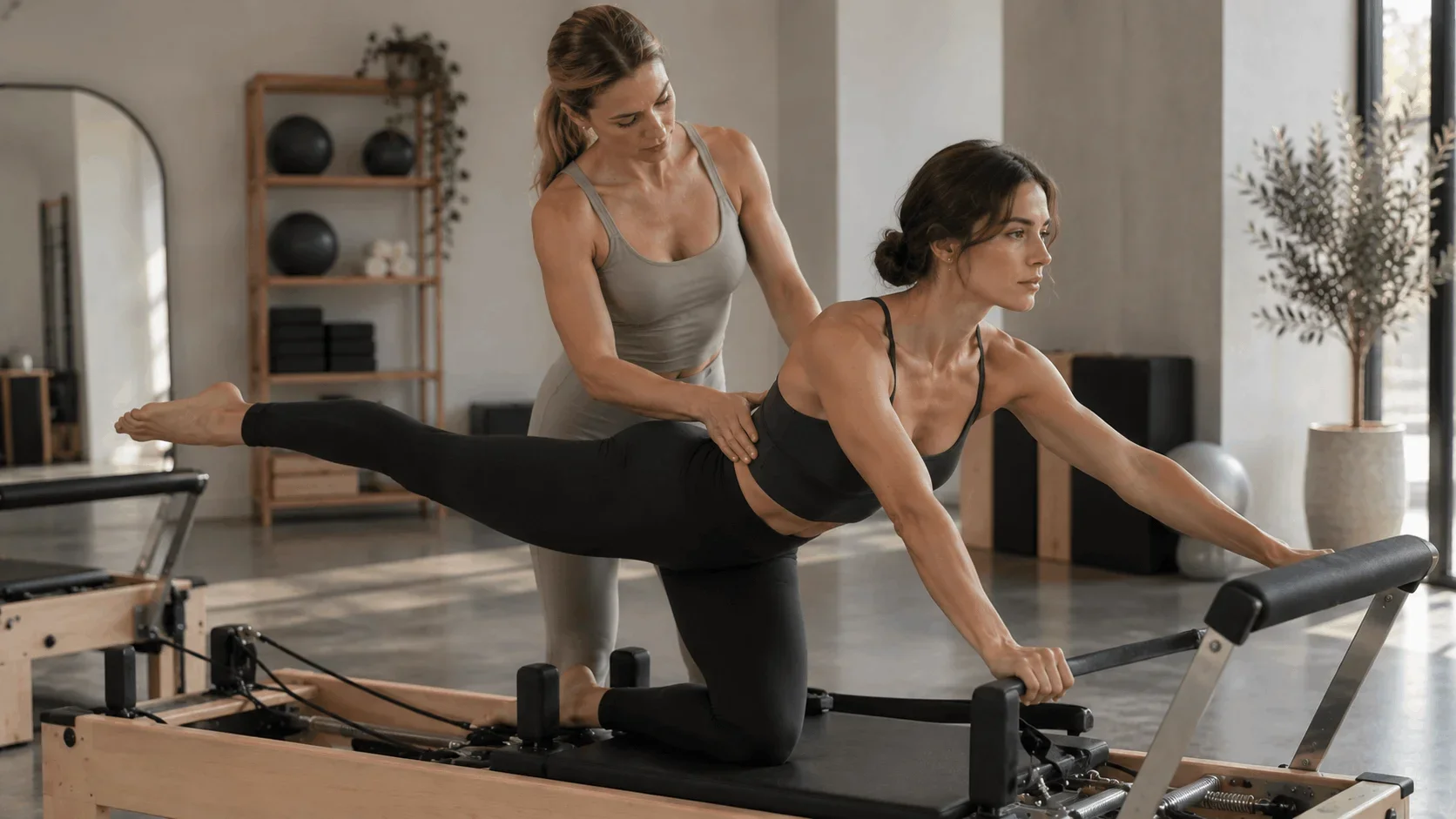
Opening a Pilates studio means buying much more than a few reformers. You need equipment for your classes, accessories for different exercises, storage, cleaning supplies, client amenities, technology, and the small operational items that are easy to forget until opening day.
The right Pilates studio equipment list also depends heavily on the type of business you are building. A six-reformer boutique studio has completely different requirements from a mat Pilates studio or a private Pilates practice with a Cadillac, chair, and barrel.
Equipment is also likely to be one of your largest startup investments. Commercial reformers alone can cost several thousand dollars each. For example, current professional machines from Align-Pilates and Merrithew are priced in the thousands per unit, while comprehensive commercial studio packages can exceed $30,000.
That makes it important to separate what you actually need to open from equipment that can be added later.
Time2book helps Pilates studios manage classes, online bookings, payments, memberships, class packs, clients, and waitlists from one simple system. Get your booking setup ready before opening so clients can start buying intro offers and reserving classes immediately.
In this guide, we’ll break down the complete Pilates studio equipment list for 2026, including reformers, props, studio furniture, technology, cleaning supplies, and approximate startup equipment budgets.
Pilates Studio Equipment List: Quick Checklist
Here is the short version of what most Pilates studios need.
Category | Equipment |
|---|---|
Main Pilates equipment | Reformers, mats |
Reformer accessories | Boxes, jump boards, straps, loops, platform extenders |
Small props | Pilates rings, balls, resistance bands, weights, foam rollers |
Additional apparatus | Cadillac, tower, chair, ladder barrel, spine corrector |
Studio setup | Mirrors, flooring, storage, lighting |
Client area | Benches, coat hooks, shoe storage, water station |
Technology | Tablet/laptop, Wi-Fi, speakers, booking software |
Cleaning | Equipment-safe cleaner, cloths, towels, hand sanitizer |
Maintenance | Spare springs, straps, ropes, loops and basic tools |
Safety | First-aid kit, fire safety equipment, emergency information |
You do not necessarily need everything on this list before opening.
For many new studios, reformers, accessories, props, storage, cleaning equipment, and a good booking system are enough to start.
1. Pilates Reformers
If you are opening a reformer Pilates studio, the reformers will be the centerpiece of the business. They are also usually your biggest equipment expense. Commercial reformers are designed to handle repeated daily use. This matters when a machine might be used through five, six, eight, or more classes every day.
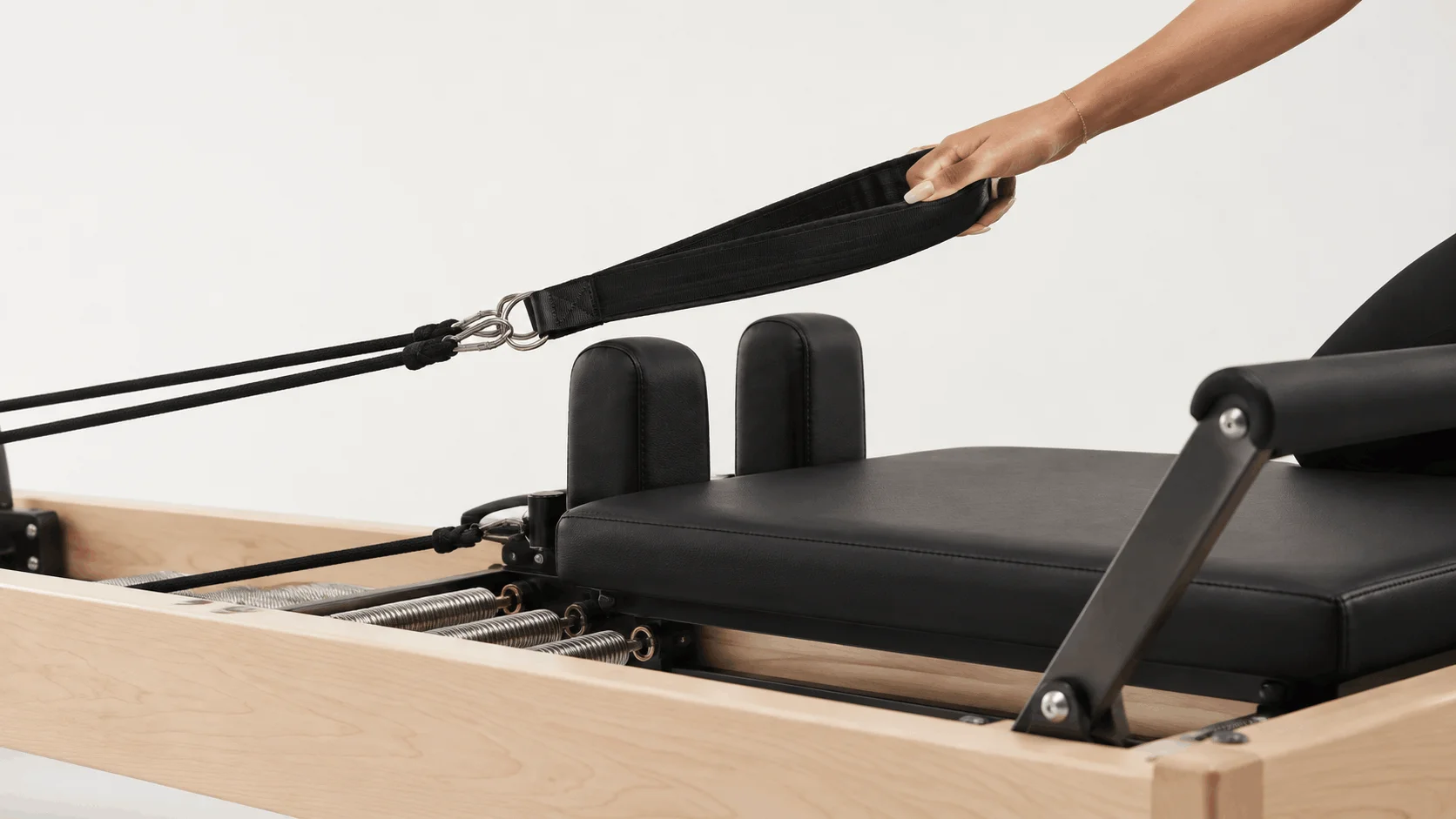
How many reformers do you need?
Common boutique studio sizes are:
- 4 reformers
- 6 reformers
- 8 reformers
- 10 reformers
- 12 reformers
A smaller studio does not automatically mean a weaker business.
Six or eight reformers can create a more intimate client experience, require less space, and reduce your initial equipment investment. Larger studios have more revenue capacity per class but also require more space, more equipment, and enough local demand to fill those places.
If you are still deciding on capacity, our guide How Many Reformers Does a Pilates Studio Need? goes deeper into class capacity, revenue potential, and different studio sizes.
What to look for in a commercial reformer
Before ordering machines, consider:
- Commercial-use warranty
- Maximum user weight
- Frame durability
- Carriage quality
- Spring system
- Footbar adjustment
- Rope and strap adjustment
- Replacement part availability
- Local distributor support
- Ease of cleaning
- Instructor familiarity
- Machine dimensions
- Available accessories
Also think about whether every reformer should be identical.
For group classes, using the same model across the studio usually makes instruction much easier. Clients can adjust springs, bars, ropes, and accessories consistently instead of learning a different setup depending on where they are positioned.
Commercial reformer cost
Prices vary significantly by manufacturer, country, taxes, shipping, and configuration.
As one current example, Align-Pilates lists its C8-Pro commercial reformer at £2,449.99 including UK VAT, while Merrithew lists the SPX Max at CAD $4,744.
That means even before accessories:
6 reformers × several thousand dollars each = a substantial initial investment.
Do not forget to include freight, import fees where applicable, assembly, accessories, and replacement parts in your equipment budget.
2. Reformer Boxes
A sitting box dramatically increases the number of exercises you can offer on a reformer.
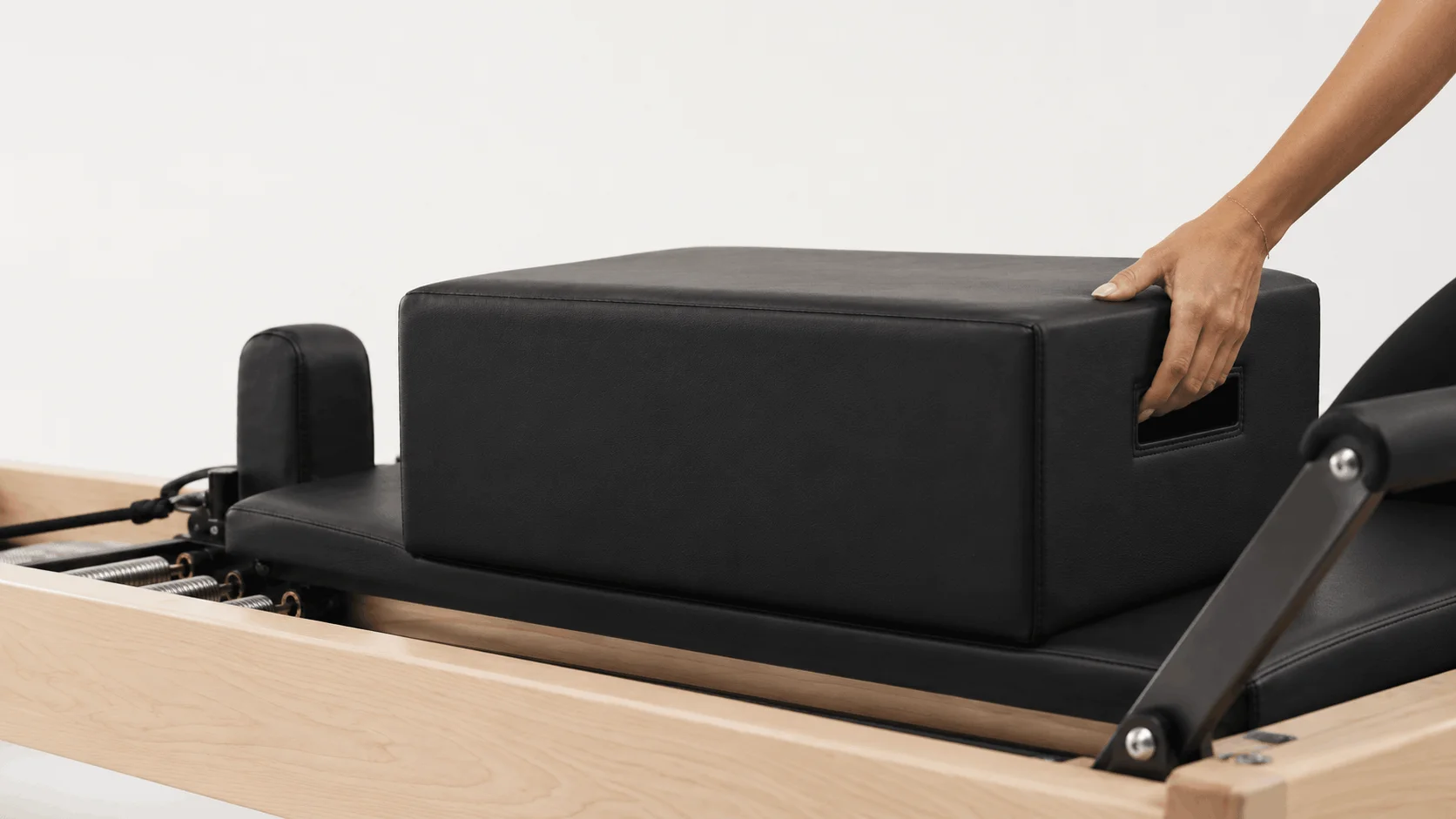
Depending on your programming, boxes can be used for:
- Short box exercises
- Long box exercises
- Pulling straps
- Swan variations
- Side work
- Abdominal work
- Seated exercises
For a reformer-focused group studio, having one box per reformer is usually the simplest setup.
If you run 8-person classes, that means purchasing 8 boxes.
Storage matters here. Eight large boxes sitting randomly around a small studio quickly makes the room feel cluttered.
Plan where they will live before ordering them.
3. Jump Boards
Jump boards attach to reformers and allow clients to perform horizontal jumping and cardiovascular exercises while supported by the carriage.
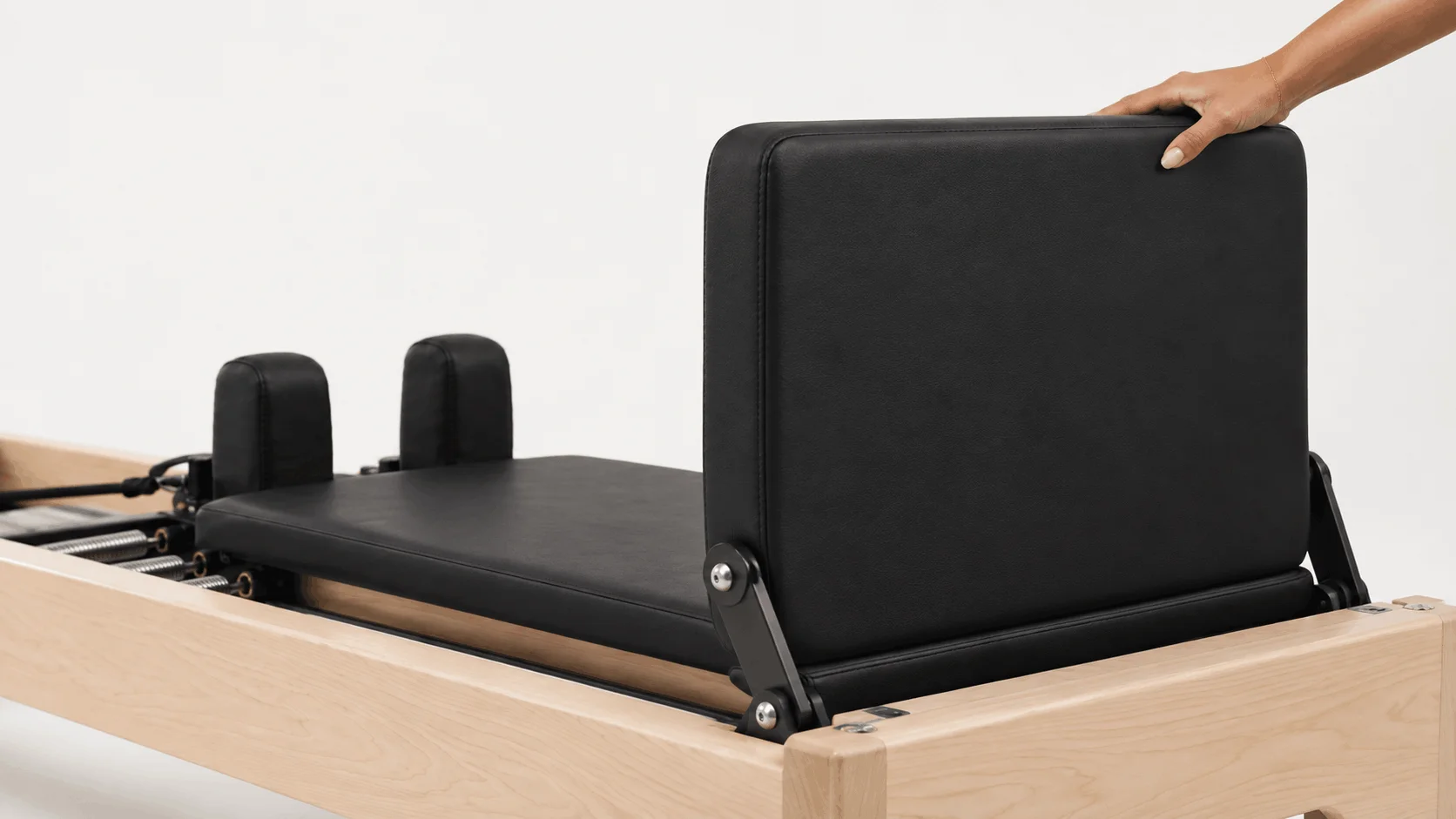
They are especially useful if your studio plans to offer:
- Athletic Pilates
- Cardio reformer
- Jumpboard classes
- Higher-intensity reformer sessions
- Lower-impact jumping variations
You do not necessarily need jump boards if your classes will be slower, classical, rehabilitation-focused, or beginner-oriented.
If jumpboard programming is part of your main offering, however, you will generally want one board per reformer.
4. Straps, Loops, Ropes and Springs
These parts are normally supplied with reformers, but a commercial studio should eventually keep replacements available.
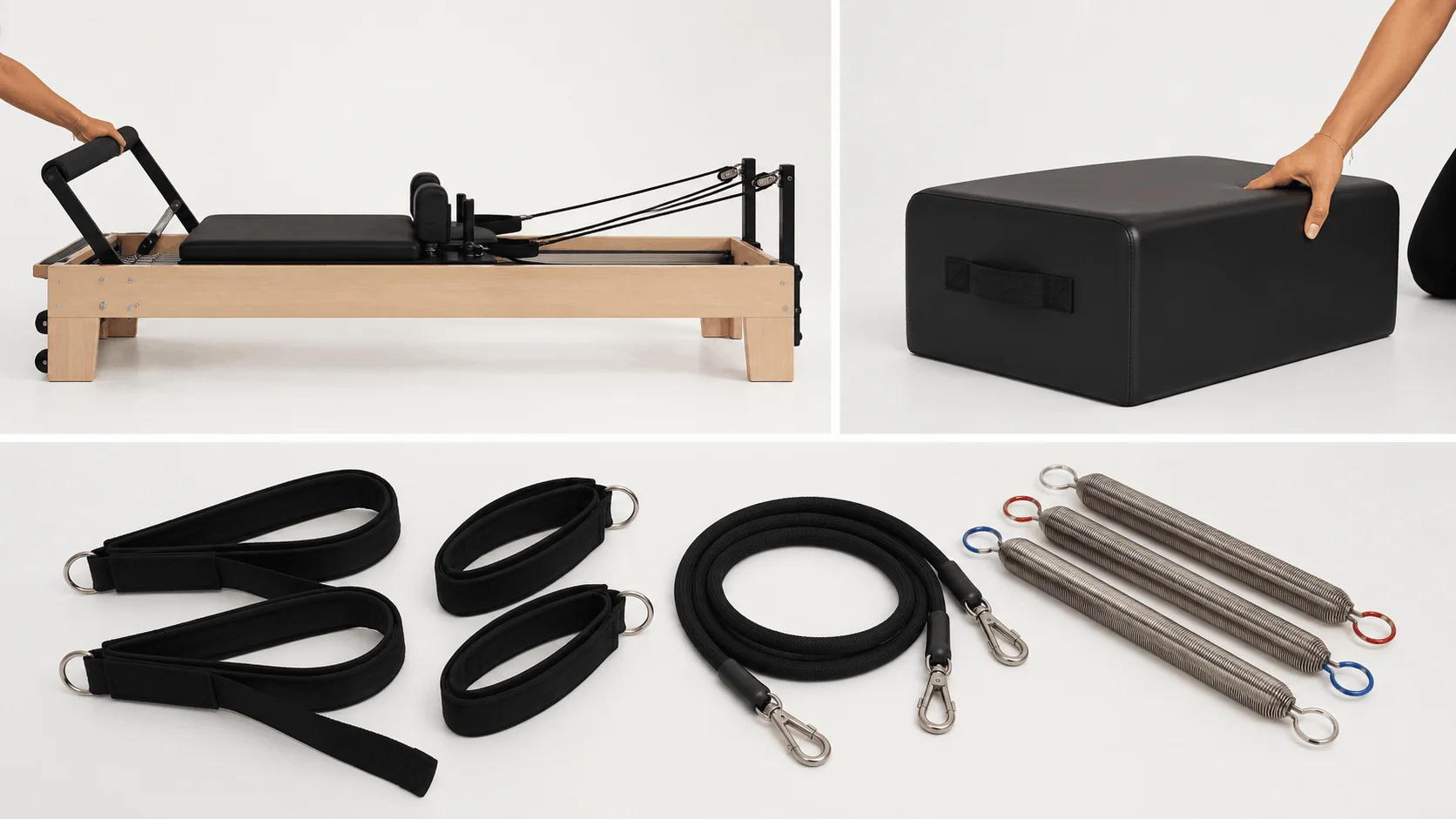
Frequently used parts wear over time.
Keep spare:
- Hand and foot loops
- Ropes
- Straps
- Springs
- Clips
- Carabiners
- Handles
Waiting several weeks for a replacement part can leave one of your reformers unusable and reduce your class capacity.
A small maintenance inventory is relatively inexpensive compared with losing one client space from every class.
5. Pilates Mats
Even a reformer studio should have Pilates mats available.
They can be used for:
- Warm-ups
- Cool-downs
- Mobility exercises
- Mat Pilates classes
- Private sessions
- Workshops
- Instructor demonstrations
For a mat Pilates studio, your mat capacity determines your class capacity in the same way reformers do for a reformer studio.
If you want a class capacity of 12 people, buy at least 12 client mats plus one for the instructor.
Choosing Pilates mats
Look for mats that are:
- Comfortable on your flooring
- Durable
- Non-slip
- Easy to sanitize
- Easy to store
- Visually consistent
Pilates mats are often thicker than standard yoga mats because many exercises involve spinal articulation and lying directly on the floor.
6. Pilates Rings
Pilates rings, sometimes called magic circles, are one of the simplest and most useful studio props.
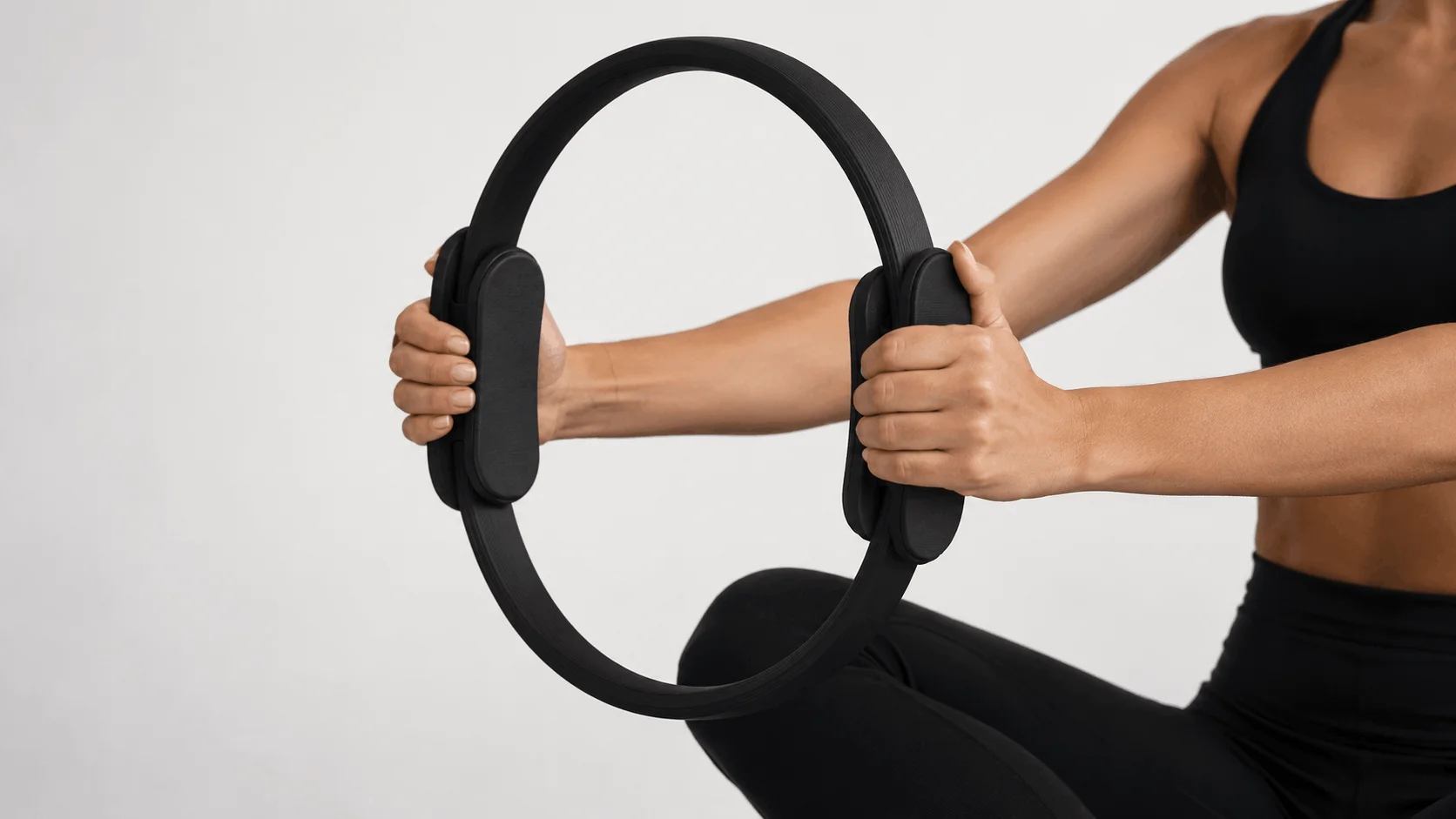
They can add resistance and feedback for exercises targeting:
- Inner thighs
- Arms
- Chest
- Core
- Glutes
They are inexpensive compared with large Pilates apparatus and do not take much storage space.
For group classes, having one Pilates ring per client gives instructors maximum flexibility when programming.
7. Pilates Balls
Small Pilates balls are another inexpensive addition to your studio equipment list.
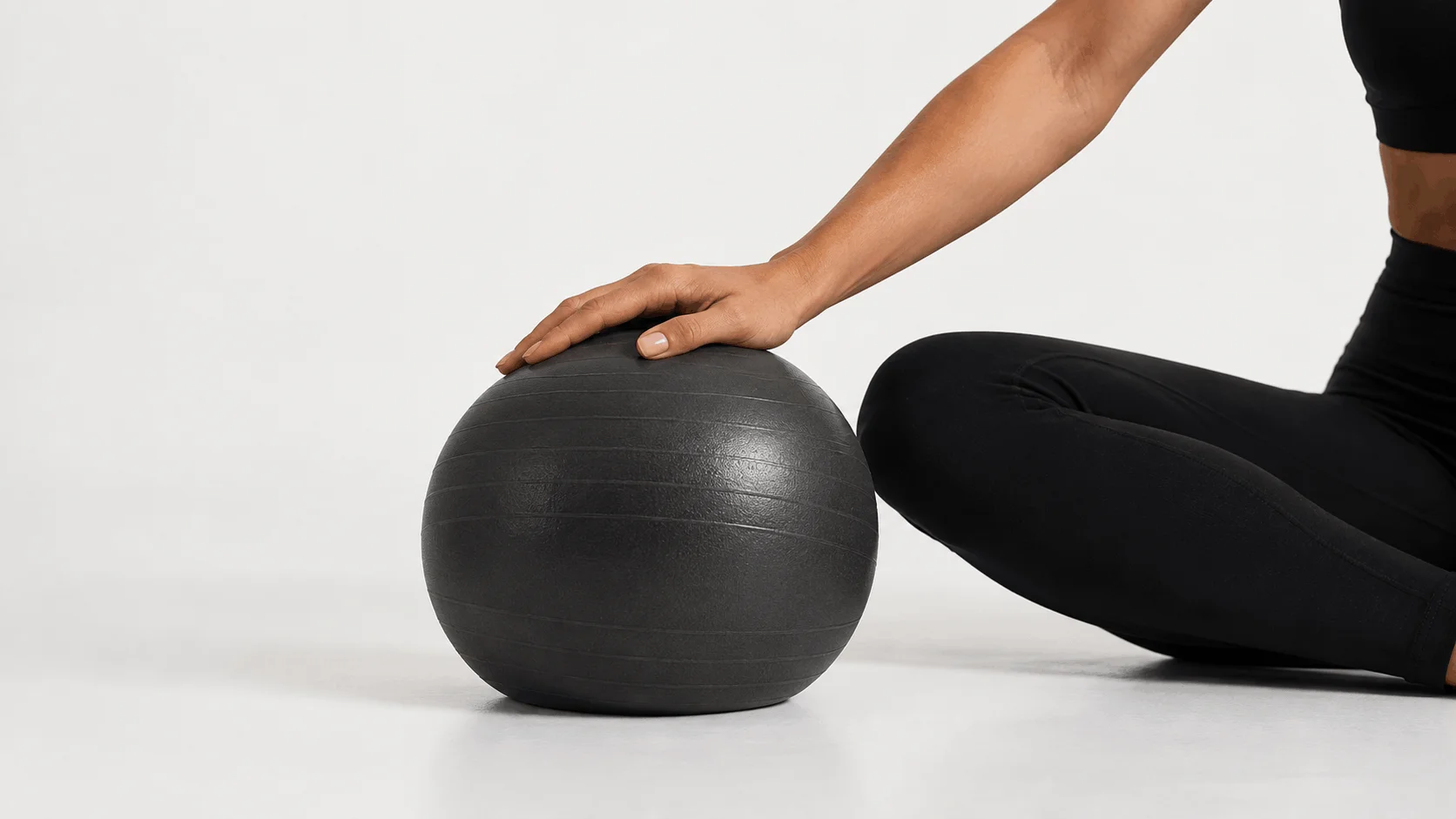
They can be positioned under or between the:
- Knees
- Thighs
- Ankles
- Back
- Pelvis
- Hands
They are commonly used for alignment, stability, mobility, and adding resistance to exercises.
Choose durable balls that can handle frequent commercial use and keep a pump available at the studio.
8. Resistance Bands
Resistance bands take up almost no space and dramatically expand exercise options.
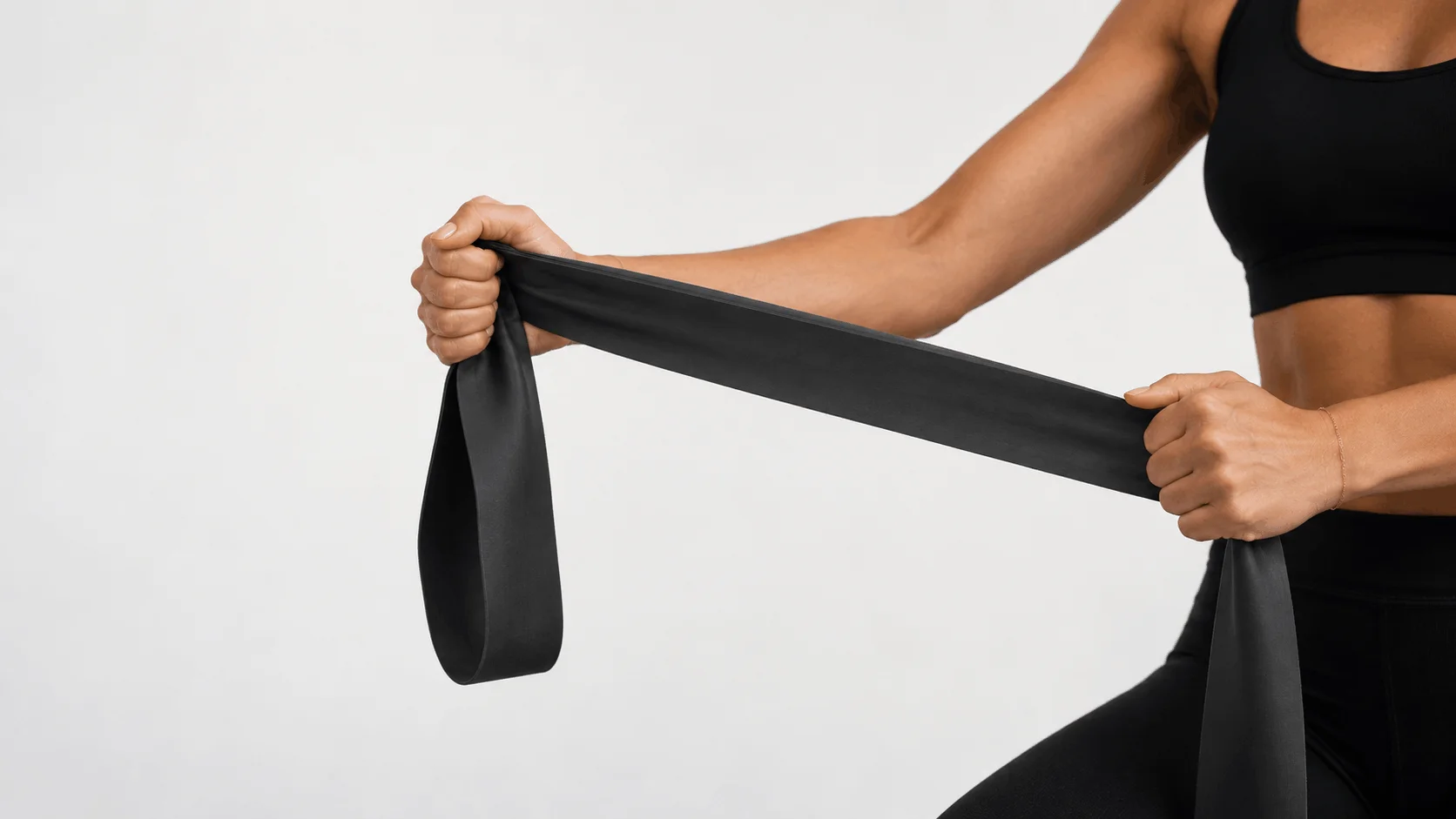
Studios may use:
- Light resistance bands
- Medium resistance bands
- Heavy resistance bands
- Loop bands
- Longer resistance bands
If you frequently use bands in group classes, consider buying several resistance levels so instructors can adapt exercises to different client abilities.
Bands are inexpensive, but they do eventually stretch or tear. Keep extras available rather than purchasing exactly the number required for a full class.
9. Light Hand Weights
Light dumbbells are common in contemporary reformer Pilates studios, particularly studios combining Pilates with strength or sculpt-style classes.
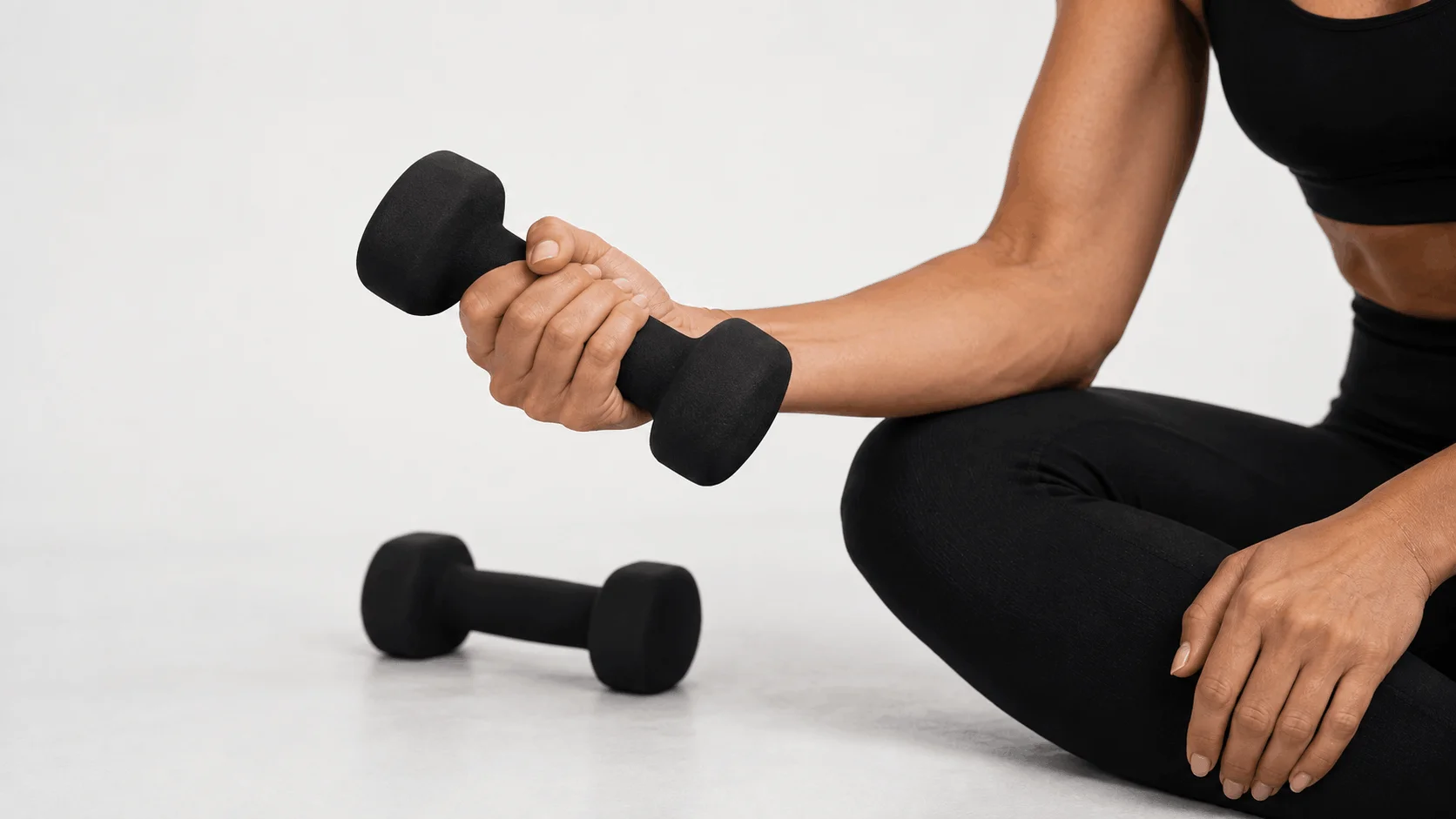
Typical options might include:
- 1 kg / 2 lb
- 1.5 kg / 3 lb
- 2 kg / 5 lb
You probably do not need a complete traditional gym dumbbell rack.
A few lightweight options that match your class programming are normally enough.
If your studio is positioned around classical Pilates, weights may not be necessary at all.
10. Foam Rollers
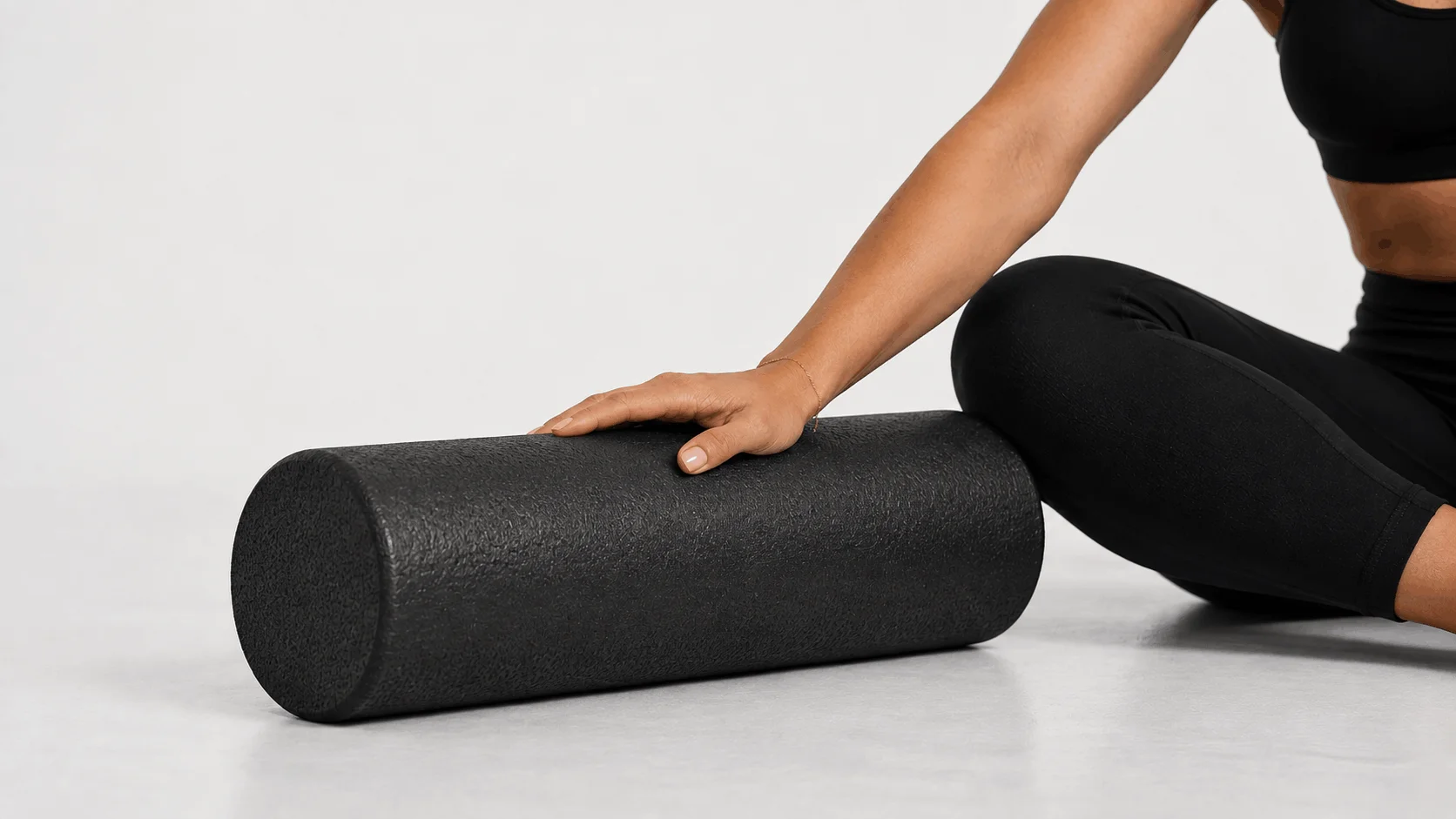
Foam rollers can be useful for:
- Mobility
- Myofascial work
- Balance exercises
- Core exercises
- Recovery
- Warm-ups
- Cool-downs
They are relatively affordable but require more storage than bands, rings, or balls. Think about storage before purchasing one for every client. A wall-mounted rack or tall storage unit can keep rollers accessible without taking over the studio floor.
11. Pilates Cadillac or Trapeze Table
A Cadillac is one of the most recognizable pieces of traditional Pilates apparatus. It allows instructors to work with springs, bars, straps, and a large raised table.
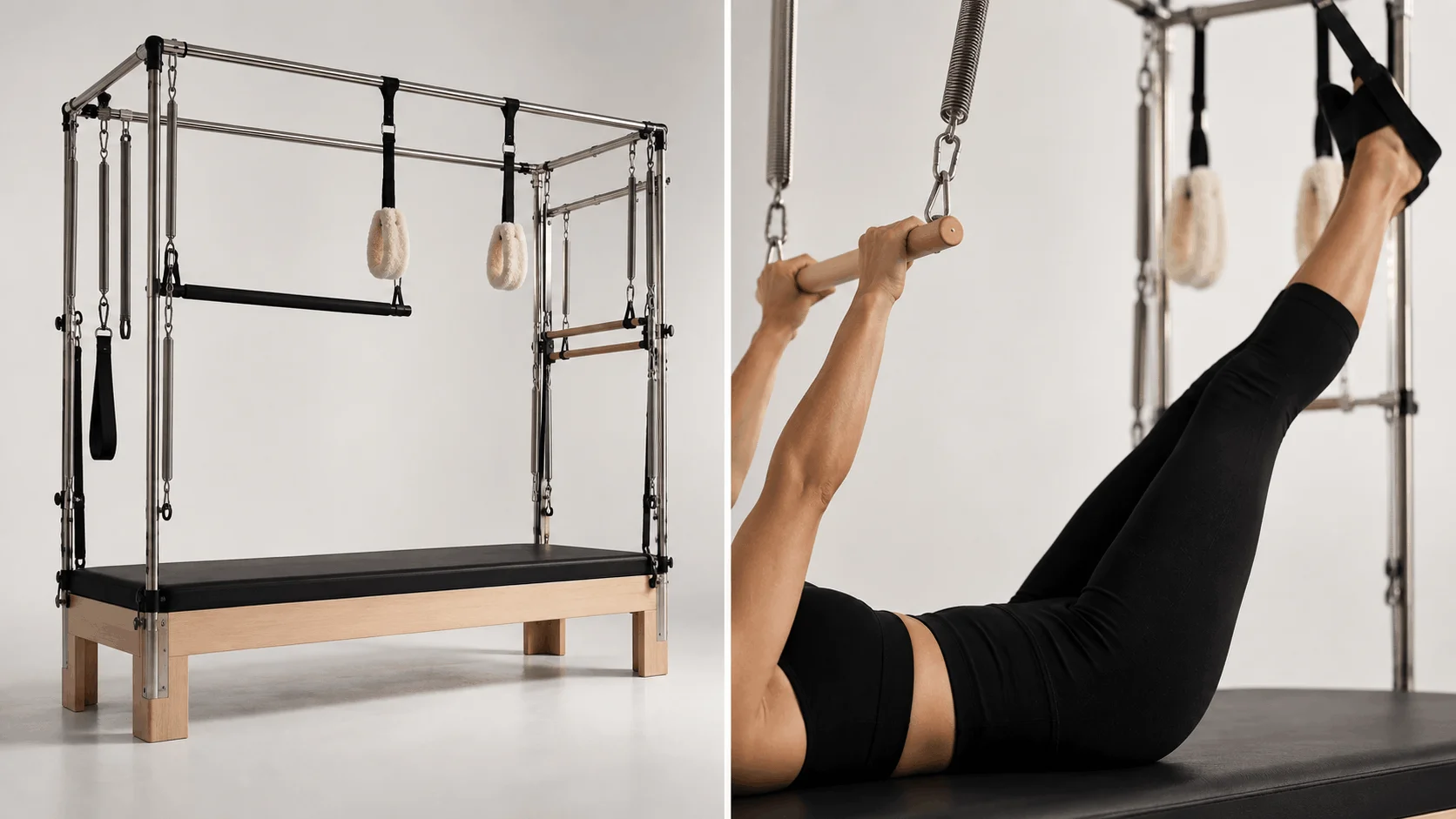
It can be particularly useful for:
- Private Pilates sessions
- Advanced programming
- Mobility work
- Rehabilitation-oriented sessions
- Clients who need more individualized support
But a Cadillac is not essential for most group reformer studios.
It is expensive and takes significant space.
Merrithew, for example, listed its Cadillac/Trapeze Table at CAD $6,499 during a 2026 promotion, illustrating how quickly specialized apparatus can increase a studio's equipment budget.
If your business model mainly revolves around eight-person reformer classes, investing that money into another reformer, studio improvements, marketing, or working capital may make more sense initially.
12. Pilates Tower
A tower provides many of the spring-based exercise options of a Cadillac while requiring less space.
Some commercial reformers allow towers or vertical frames to be attached directly to the machine.
This can be an attractive option for smaller studios because one piece of floor space can support both reformer and tower programming.
For example, Merrithew specifically markets its SPX Max vertical frame as a way to expand programming in facilities with limited space.
Towers are worth considering if they align with your instructors' training and the classes or private sessions you intend to sell.
13. Pilates Chair
The Pilates chair — often called a Wunda Chair or stability chair depending on the manufacturer — provides another compact way to expand your studio programming.
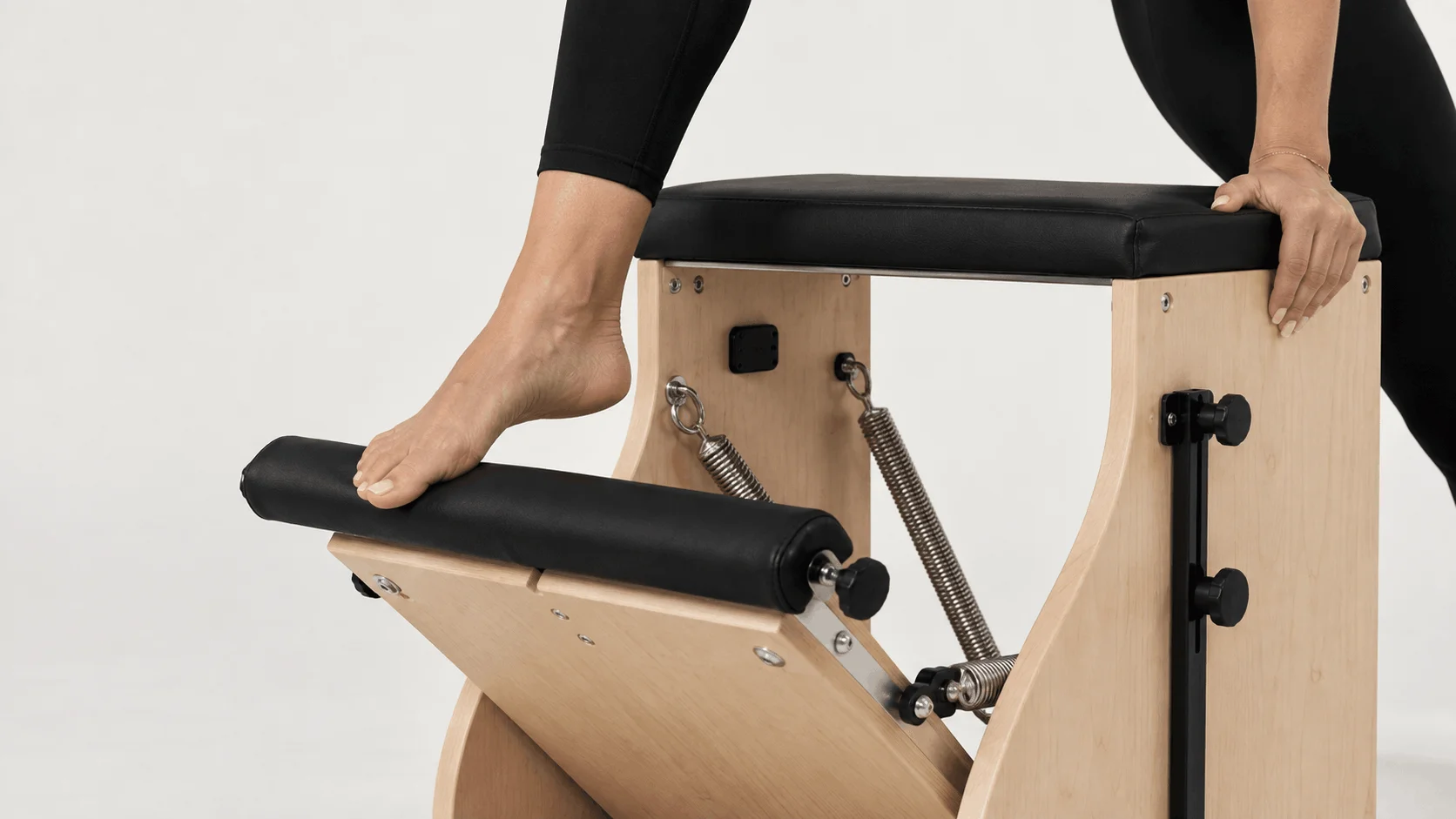
It can be used for exercises involving:
- Strength
- Balance
- Control
- Standing work
- Upper body
- Lower body
- Core stability
Chairs take considerably less floor space than a Cadillac.
They are still an additional investment, though. Align-Pilates currently lists its Combo Chair III at £1,199.99 including VAT, while commercial models from other manufacturers vary.
For a private-session studio, a chair may be an excellent early purchase.
For a group reformer studio, it can usually wait until the business is established.
14. Ladder Barrel
A ladder barrel combines a curved upholstered barrel with ladder rungs.
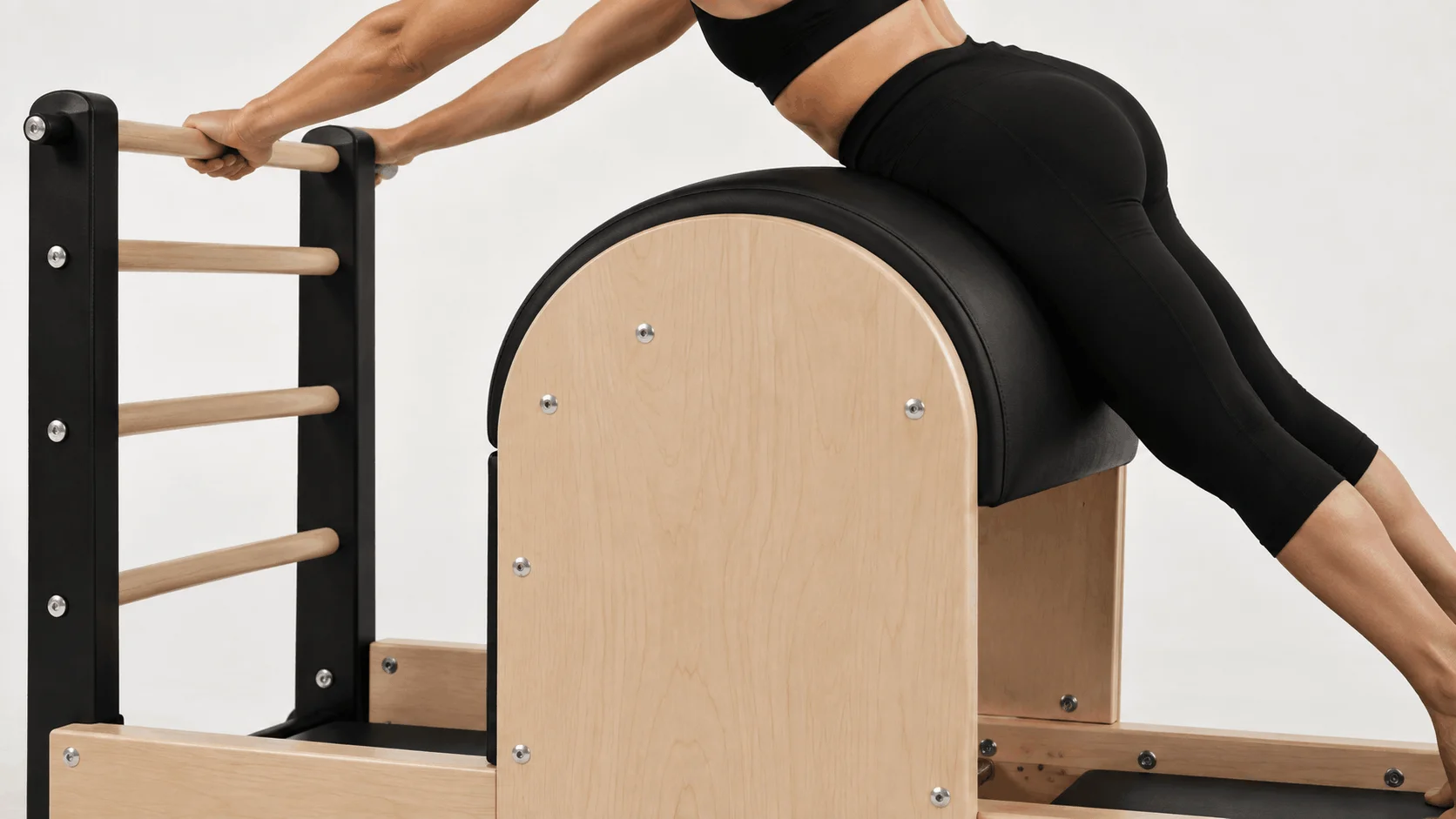
It is commonly used for:
- Spinal mobility
- Extension
- Flexibility
- Side bending
- Stretching
- Abdominal work
Like the chair and Cadillac, this is useful specialized apparatus rather than an opening-day requirement for most reformer studios. Current commercial prices can exceed £1,000 or CAD $2,000 depending on the manufacturer. If space and cash are limited, add it later when your programming creates a clear need for it.
15. Spine Corrector or Arc Barrel
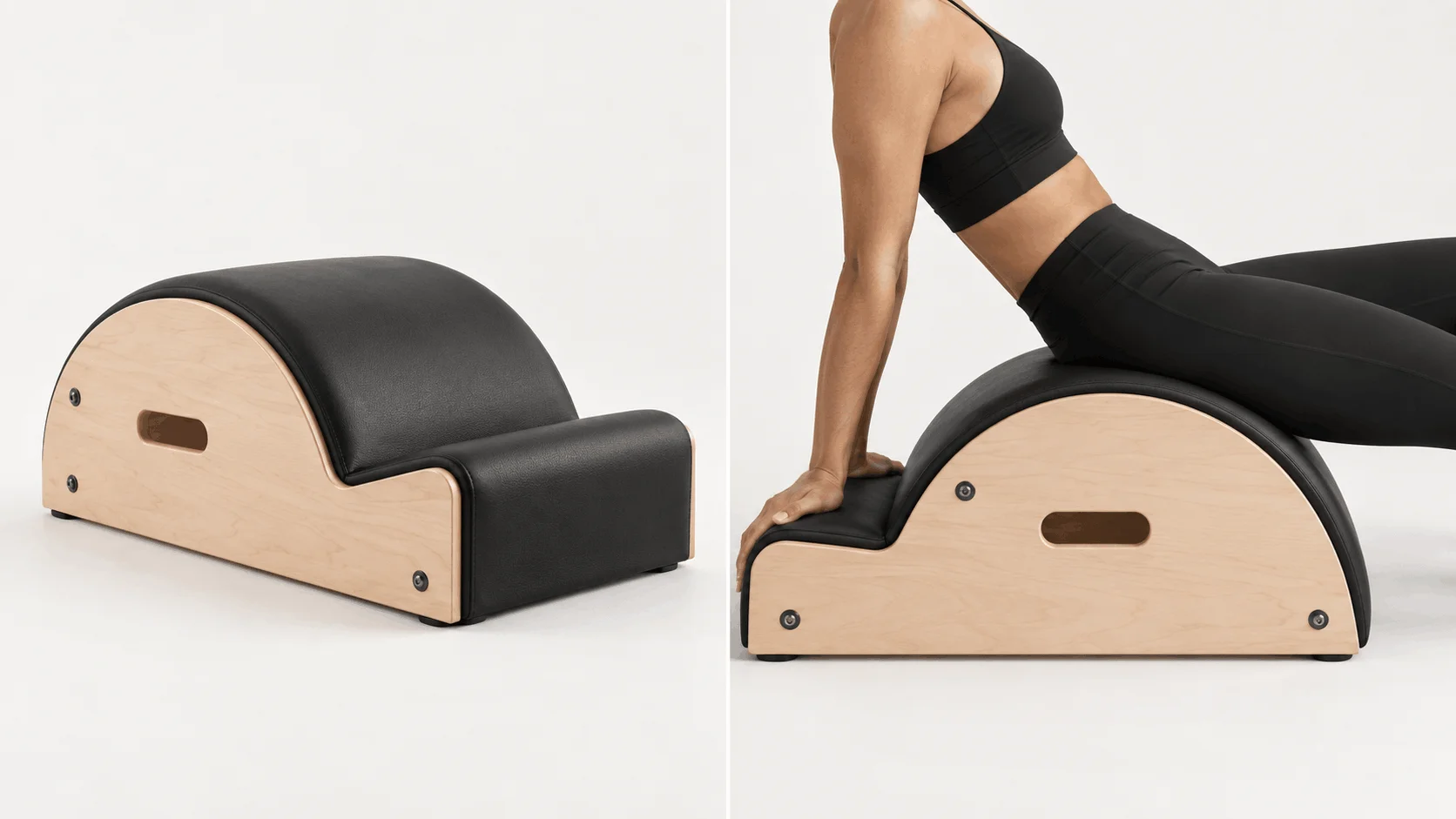
A spine corrector or arc barrel is significantly smaller than a ladder barrel and can be useful for:
- Spinal articulation
- Extension
- Core exercises
- Mobility
- Stretching
These are easier to store and can be a good middle ground between basic props and large traditional Pilates apparatus. Again, buy based on your programming rather than trying to create an impressive-looking equipment collection.
16. Mirrors
Mirrors are not technically Pilates equipment, but they are common in studio fit-outs.
They can help clients understand:
- Alignment
- Posture
- Positioning
- Movement
They can also make smaller studios feel larger and brighter.
You do not necessarily need every wall covered with mirrors.
Think about where instructors will stand and which viewing angles actually help clients during exercises.
17. Studio Flooring
Your flooring needs to work with both clients and your equipment.
Consider:
- Grip
- Durability
- Ease of cleaning
- Noise
- Comfort
- Equipment stability
- Visual appearance
Reformers are heavy pieces of equipment. Confirm that the floor material works with the manufacturer's recommendations and that machines remain stable during use.
For mat Pilates, client comfort becomes even more important because most of the class happens directly on the floor.
18. Pilates Equipment Storage
Storage is one of the most underestimated parts of planning a Pilates studio.
You need somewhere for:
- Rings
- Balls
- Resistance bands
- Dumbbells
- Foam rollers
- Boxes
- Jump boards
- Towels
- Cleaning products
- Instructor equipment
- Spare machine parts
Good storage makes a studio feel intentional.
Bad storage makes even a beautiful new space look cluttered within weeks.
Use:
- Built-in cabinets
- Wall shelves
- Baskets
- Peg systems
- Storage benches
- Vertical racks
- Equipment-specific holders
Plan storage while designing your Pilates studio floor plan, not after everything has already been installed.
19. Reception and Client Area Equipment
Not everything needs to be inside the exercise room.
Clients also need somewhere to arrive, remove shoes, leave their belongings, and prepare for class.
Consider:
- Bench or seating
- Shoe storage
- Coat hooks
- Bag storage
- Small reception desk
- Water station
- Waste bins
- Hand sanitizer
- Mirrors
- Bathroom supplies
A small studio does not necessarily need a staffed front desk.
With online booking and online payments, many boutique studios can operate with a simple self-check-in flow rather than building a large traditional reception area.
20. Sound System and Speakers
Music can be an important part of the experience in contemporary reformer studios.
You may need:
- Bluetooth or Wi-Fi speakers
- Tablet or phone for music
- Charging cables
- Reliable internet
- Appropriate commercial music licensing for your location
Do not overcomplicate this.
A reliable speaker system that instructors can easily connect to is more important than expensive audio equipment that nobody knows how to operate.
21. Tablet or Laptop
Your instructors or front-desk team may need a device for:
- Viewing the class schedule
- Checking bookings
- Managing clients
- Taking payments
- Making bookings
- Updating memberships
- Checking attendance
A tablet near the entrance is often enough for a small modern studio.
You may also want a laptop for administrative tasks, accounting, marketing, reporting, and managing your website.
22. Pilates Studio Booking Software
Software is not physical equipment, but it is part of your essential studio setup.
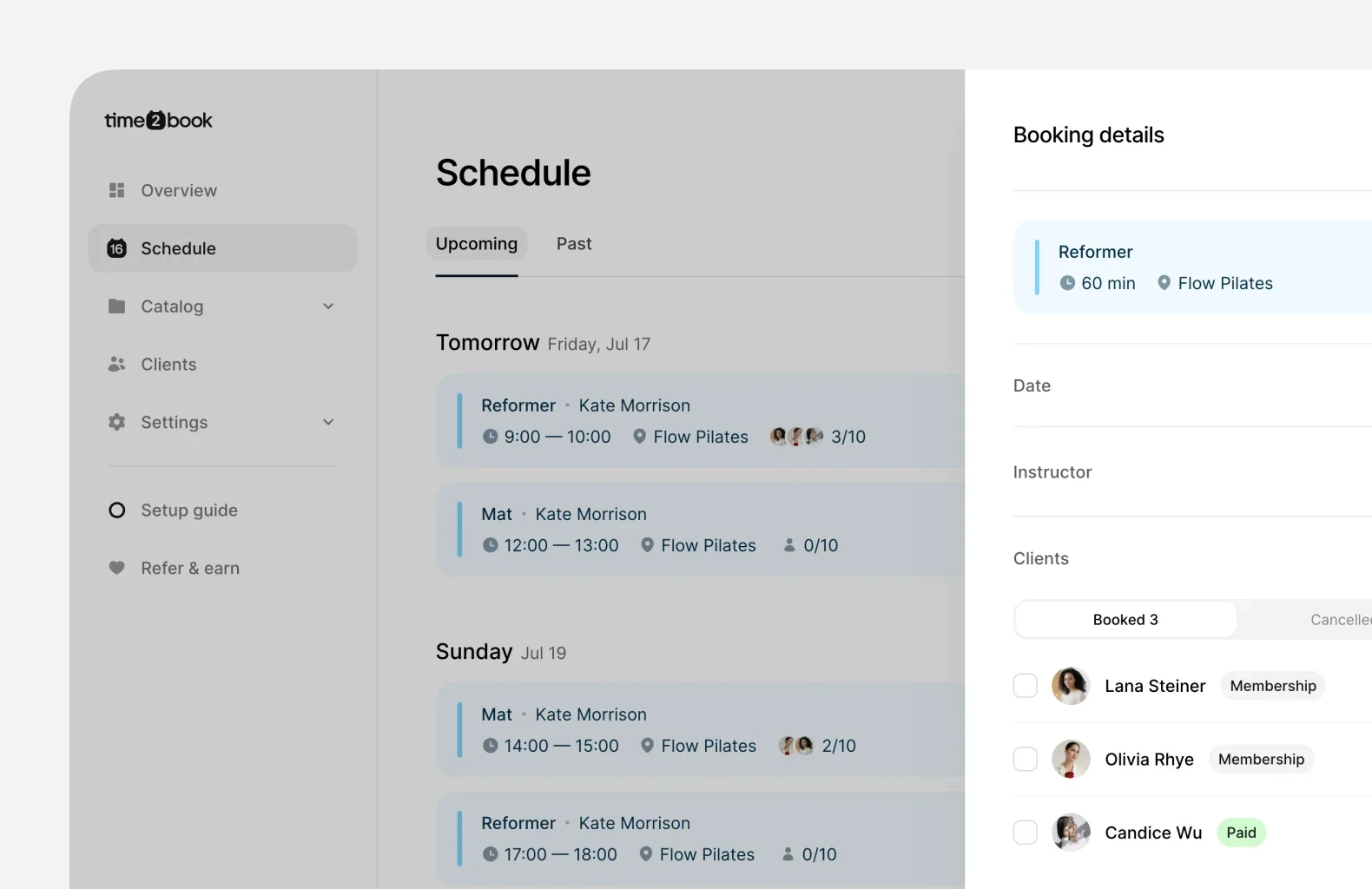
Before you open, you need a way for clients to:
- View your schedule
- Book classes online
- Buy class packs
- Buy memberships
- Pay online
- Manage their bookings
- Receive booking confirmations and reminders
You also need a way for your team to manage classes, clients, payments, capacity, and memberships without relying on spreadsheets or Instagram messages.
Time2book is built specifically to make this simpler for independent fitness studios.
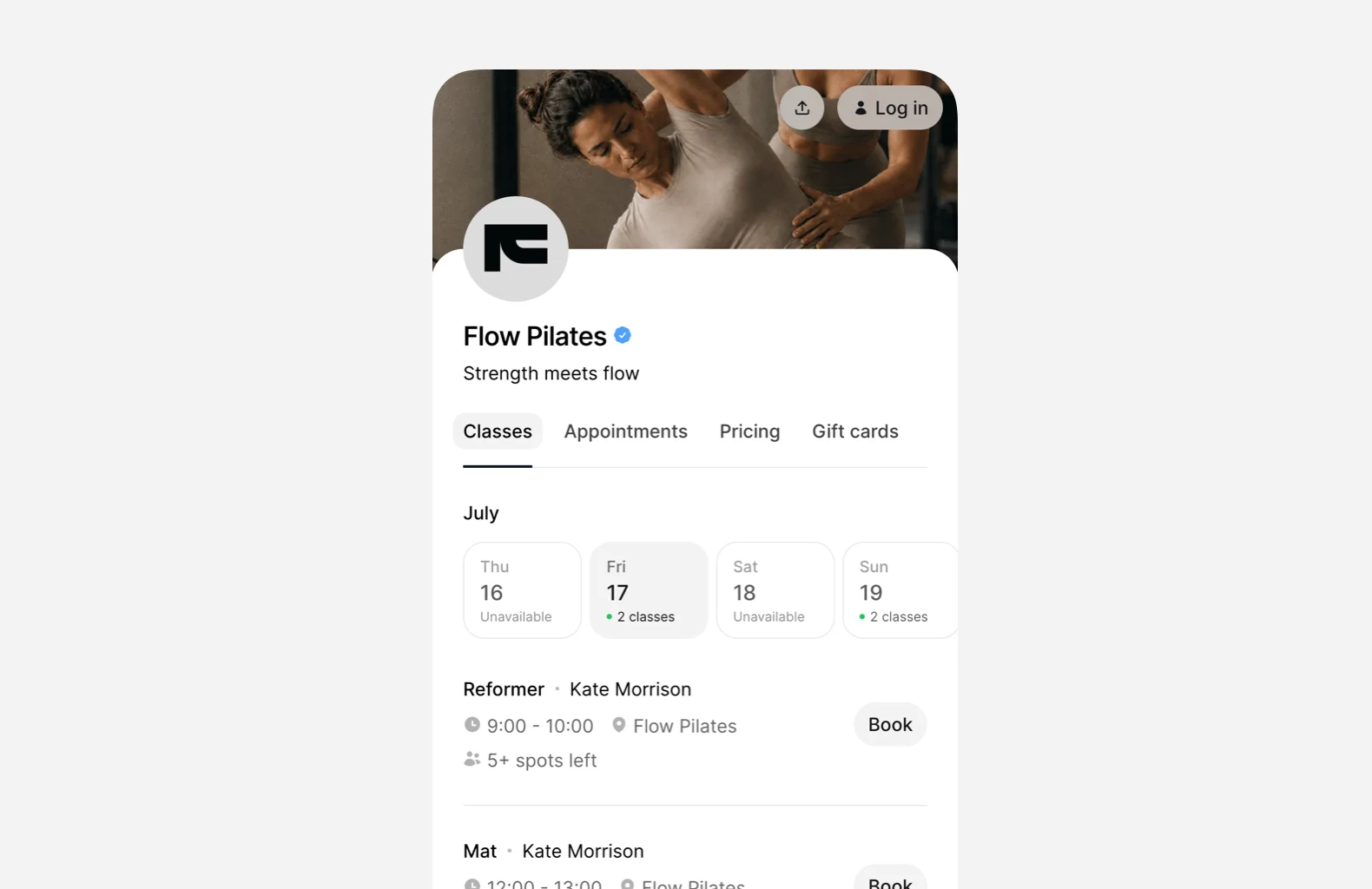
You can manage:
- Classes
- Appointments
- Online bookings
- Payments
- Memberships
- Class packs
- Clients
- Waitlists
- Gift cards
- Business analytics
If you are comparing platforms before opening, see our guide to Best Pilates Software in 2026. Try Time2book free today and set up your Pilates studio bookings before opening day.
23. Pilates Equipment Cleaning Supplies
Pilates equipment is touched repeatedly throughout the day.
Your cleaning setup should include:
- Equipment-safe cleaning solution
- Microfiber cloths
- Paper towels if needed
- Hand sanitizer
- Waste bins
- Laundry baskets
- Clean towels
- Mop or floor cleaner
- Vacuum
Always check the equipment manufacturer's instructions before applying cleaning products to upholstery, ropes, frames, or other components. Some cleaners can damage vinyl or other materials over time.
24. Pilates Equipment Maintenance Supplies
Your reformers are revenue-generating assets.
Maintain them accordingly.
Create a maintenance schedule that includes regular inspection of:
- Springs
- Ropes
- Straps
- Clips
- Wheels
- Carriages
- Footbars
- Upholstery
- Frames
- Bolts and fasteners
Commercial equipment manufacturers also distinguish their professional machines from consumer models based partly on their ability to withstand repeated studio use and ongoing servicing.
Keep manufacturer manuals accessible and make sure instructors know how to identify potential issues.
25. Basic Safety Equipment
Your studio should also have basic safety equipment appropriate for your country and building regulations.
That may include:
- First-aid kit
- Fire extinguisher
- Smoke detectors
- Emergency lighting
- Clearly marked exits
- Emergency contact information
- Incident reporting process
Requirements vary by jurisdiction, so check your local regulations before opening.
How Much Does Pilates Studio Equipment Cost?
There is no single answer because equipment needs change dramatically depending on the studio model.
A basic mat Pilates studio can be opened with relatively little equipment.
A premium reformer studio can require tens of thousands before you purchase furniture, install mirrors, or renovate the space.
Example equipment budgets
Studio model | Example equipment budget |
|---|---|
Small mat studio | $2,000–$8,000 |
Small 4-reformer studio | $15,000–$30,000+ |
6-reformer studio | $20,000–$40,000+ |
8-reformer studio | $25,000–$50,000+ |
10-reformer studio | $35,000–$65,000+ |
Full private Pilates studio | $20,000–$40,000+ |
These are planning ranges rather than fixed industry prices. Your actual total depends on equipment brand, country, taxes, freight, accessories, used versus new equipment, and how much specialized apparatus you purchase.
For context, Merrithew currently sells a commercial package containing four reformers, a Cadillac, two chairs, a ladder barrel, a spine corrector, barrels and accessories for $30,799 USD.
That demonstrates how quickly a fully equipped traditional Pilates studio can exceed the cost of a simpler reformer-only setup.
For a broader look at rent, fit-out, staffing and operating costs, see our Pilates Studio Business Plan and Pilates Studio Monthly Expenses guides.
Pilates Equipment for a 6-Reformer Studio
If you want to keep your first studio relatively lean, a practical six-reformer equipment list could look like this:
Essential
- 6 commercial reformers
- 6 sitting boxes
- 6 jump boards if used in programming
- 6 Pilates rings
- 6–8 small Pilates balls
- Resistance bands
- 6–8 mats
- 6 pairs of light weights
- Cleaning supplies
- Storage
- Spare straps and springs
- Speaker
- Tablet or laptop
- Booking software
Optional
- 1 Pilates chair
- 1 ladder barrel
- 1 tower or Cadillac
- Foam rollers
- Spine correctors
- Additional weights
You can build a very strong studio without filling every corner with specialized equipment.
What Pilates Equipment Should You Buy First?
Prioritize equipment that directly supports the services you plan to sell.
For a reformer studio, the order might be:
- Commercial reformers
- Reformer boxes and required accessories
- Mats
- Rings
- Balls
- Resistance bands
- Weights if needed
- Storage
- Cleaning and maintenance supplies
- Technology and booking setup
- Additional apparatus later
This approach protects your startup capital.
A Cadillac that gets used twice per week is much harder to justify than another reformer that creates an additional bookable place in six classes every day.
What Pilates Equipment Can Wait Until Later?
New studio owners can easily overspend because they want the studio to feel complete on opening day. You probably do not need to buy every possible apparatus immediately.
Depending on your business model, these can often wait:
- Cadillac
- Ladder barrel
- Multiple chairs
- Spine correctors
- Large weight collections
- Premium reception furniture
- Retail displays
- Expensive front-desk systems
- Multiple computers
- Huge inventories of props
Open with what your classes require.
Then use real client demand to decide what comes next.
New vs Used Pilates Equipment
Buying used equipment can reduce your startup costs considerably, particularly if another studio is closing or replacing its machines. However, inspect used equipment carefully.
Check:
- Frame condition
- Springs
- Wheels
- Carriage movement
- Upholstery
- Ropes
- Footbar
- Replacement part availability
- Manufacturer age
- Warranty transferability
- Service history
Saving money on equipment only works if the machines remain reliable.
A commercial studio may run dozens of reformer sessions on each machine every week. Reliability is therefore worth paying for.
Do You Need Commercial-Grade Reformers?
For a business running regular group classes, commercial equipment is generally the safer investment. A home reformer may look similar and cost less, but it may not be designed for repeated daily use. When comparing machines, look beyond appearance and initial price.
Consider:
- Warranty for commercial use
- Durability
- Parts availability
- Maintenance
- Manufacturer support
- Instructor familiarity
- Resale value
- Expected daily usage
The reformer is not simply gym equipment.
It is effectively one of the seats from which your studio earns revenue.
Frequently Asked Questions About Pilates Studio Equipment
What equipment do I need to open a Pilates studio?
Most Pilates studios need reformers or mats, Pilates rings, balls, resistance bands, storage, cleaning supplies, and a booking system.
A reformer studio will also typically need reformer boxes, straps, springs and potentially jump boards. More specialized equipment such as Cadillacs, chairs and ladder barrels can be added depending on the studio's programming.
What equipment is needed for a reformer Pilates studio?
A basic reformer Pilates studio needs commercial reformers, boxes, straps, loops, springs, mats and small props. Many studios also add jump boards, Pilates rings, resistance bands, small balls and lightweight dumbbells.
How many reformers should a Pilates studio have?
Many small independent studios start with 4–8 reformers, while larger boutique studios may operate with 10–14 or more. The right number depends on your studio size, available capital, class pricing, local demand and desired class experience. Buying more reformers increases capacity, but it only increases revenue if you can fill the additional spaces.
How much does Pilates studio equipment cost?
A small mat Pilates setup might only require a few thousand dollars of equipment, while a commercial reformer studio can easily require $20,000–$50,000+. A larger studio using premium reformers, Cadillacs, chairs, barrels and other apparatus can spend considerably more.
Do I need a Cadillac in my Pilates studio?
No.
A Cadillac can be extremely useful for private, rehabilitation-oriented and traditional Pilates programming, but it is not essential for most group reformer studios.
Many new studios start with reformers and smaller props before adding larger apparatus.
Do I need one Pilates box for every reformer?
If boxes are regularly included in your group reformer classes, having one box per machine makes programming easier. If they are rarely used, you may be able to start with fewer and add more later.
What small Pilates equipment should a studio have?
Useful small Pilates equipment includes rings, small balls, resistance bands, foam rollers, lightweight dumbbells and mats. These accessories are relatively inexpensive and allow instructors to add significantly more variety to classes.
Can I open a Pilates studio with only reformers?
Yes.
Many modern boutique Pilates studios focus almost entirely on reformer group classes.
You do not need a Cadillac, chair, ladder barrel and every other traditional Pilates apparatus to operate a successful reformer-focused studio.
Your equipment should support your actual business model rather than simply filling the space.
Final Thoughts: Building Your Pilates Studio Equipment List
A Pilates studio can become an expensive project very quickly.
Reformers, Cadillacs, chairs, barrels and premium accessories all look appealing when you are designing your first space, but you do not need everything at once.
Start with the equipment that supports the services you plan to sell.
For a modern reformer studio, that will usually mean:
- Commercial reformers
- Boxes
- Essential reformer accessories
- Mats
- Rings
- Balls
- Resistance bands
- Small weights if relevant
- Good storage
- Cleaning and maintenance supplies
- A simple technology setup
Then expand your equipment collection as demand grows.
The same principle should apply to the rest of your studio. Avoid building an oversized operation before you have clients to support it. Start with enough capacity to deliver a great experience, track your bookings and occupancy, and expand when your numbers justify the investment.
If you are still planning the business, our Pilates Studio Startup Checklist, Pilates Studio Business Plan, and How to Open a Small Pilates Studio guides cover the other decisions you need to make before opening.
And before your first clients arrive, make sure they have a simple way to book and pay.
Time2book gives Pilates studios one modern system for managing classes, appointments, bookings, payments, memberships, class packs, clients, waitlists, and studio analytics.
Try Time2book free today and simplify your studio bookings, payments, and client management.
Pilates studio software
Learn more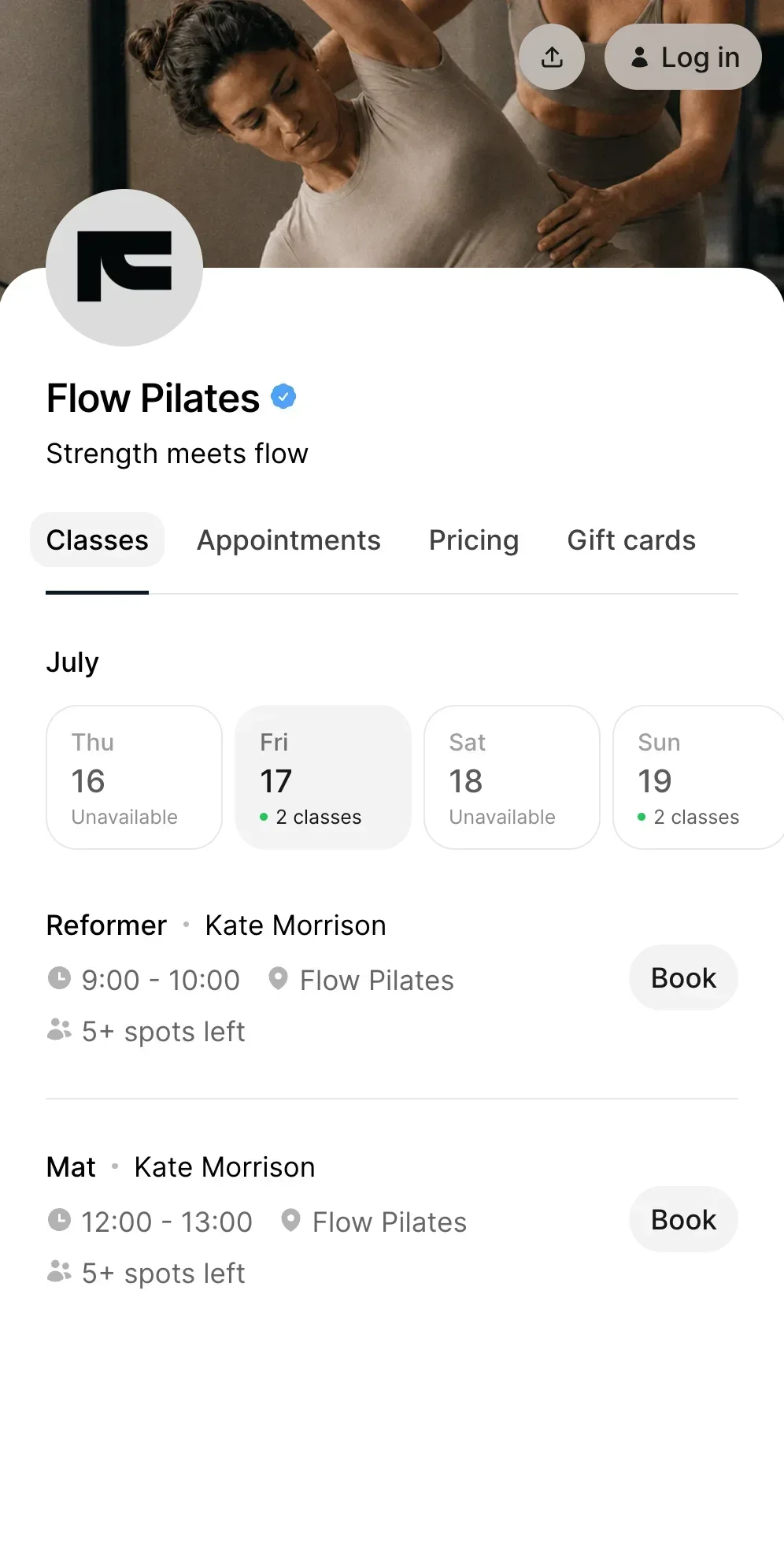
Manage bookings and payments easier
Get a free 7-day trial
No credit card required