Pilates is more than just a workout. It’s a system built on a clear philosophy of movement, control, and awareness. Whether you run a Pilates studio, teach classes, or are just getting started, understanding the 6 principles of Pilates is essential.
For studio owners, these principles go beyond technique, they shape how you structure classes, coach clients, and even design your booking experience.
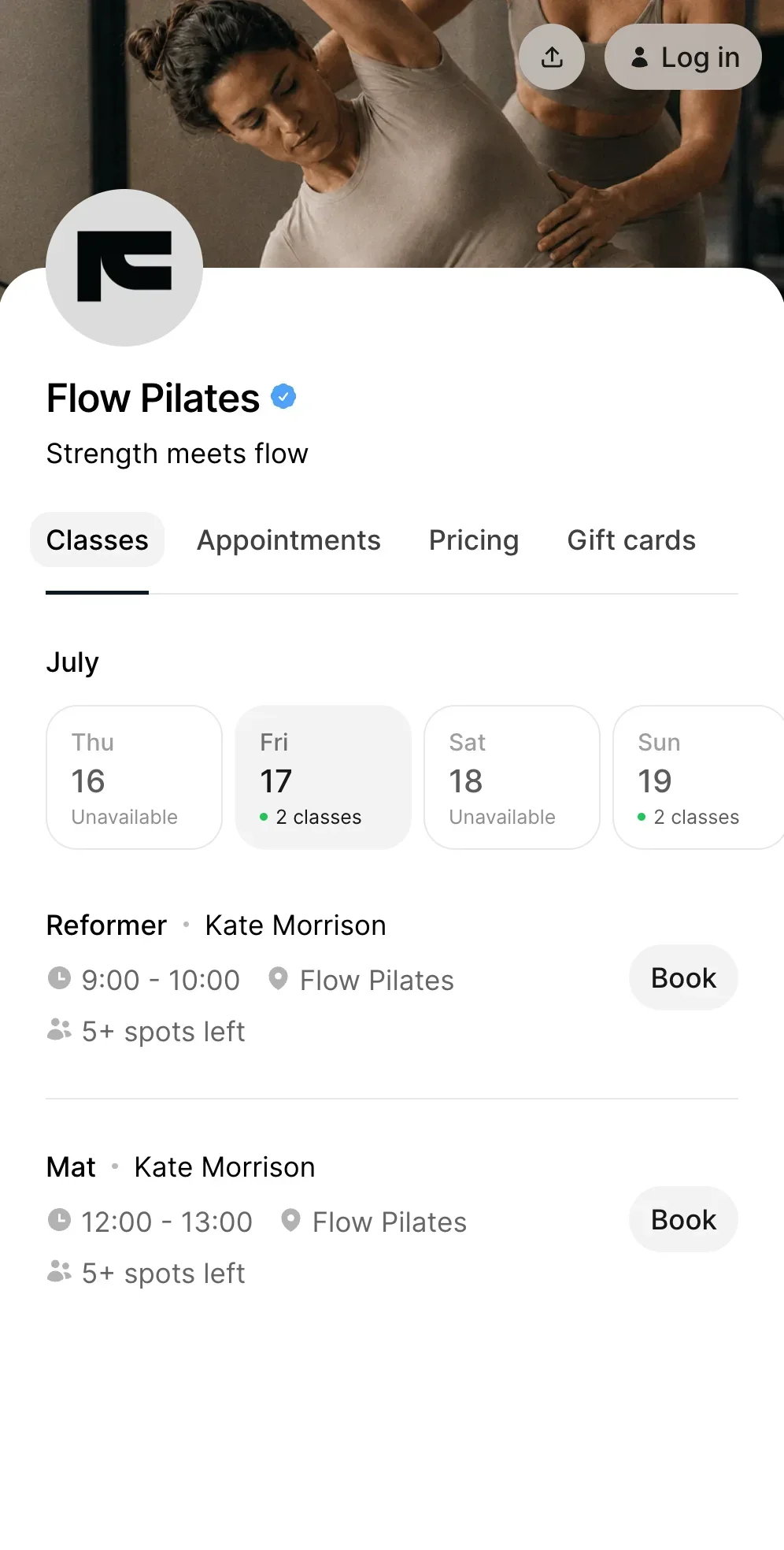
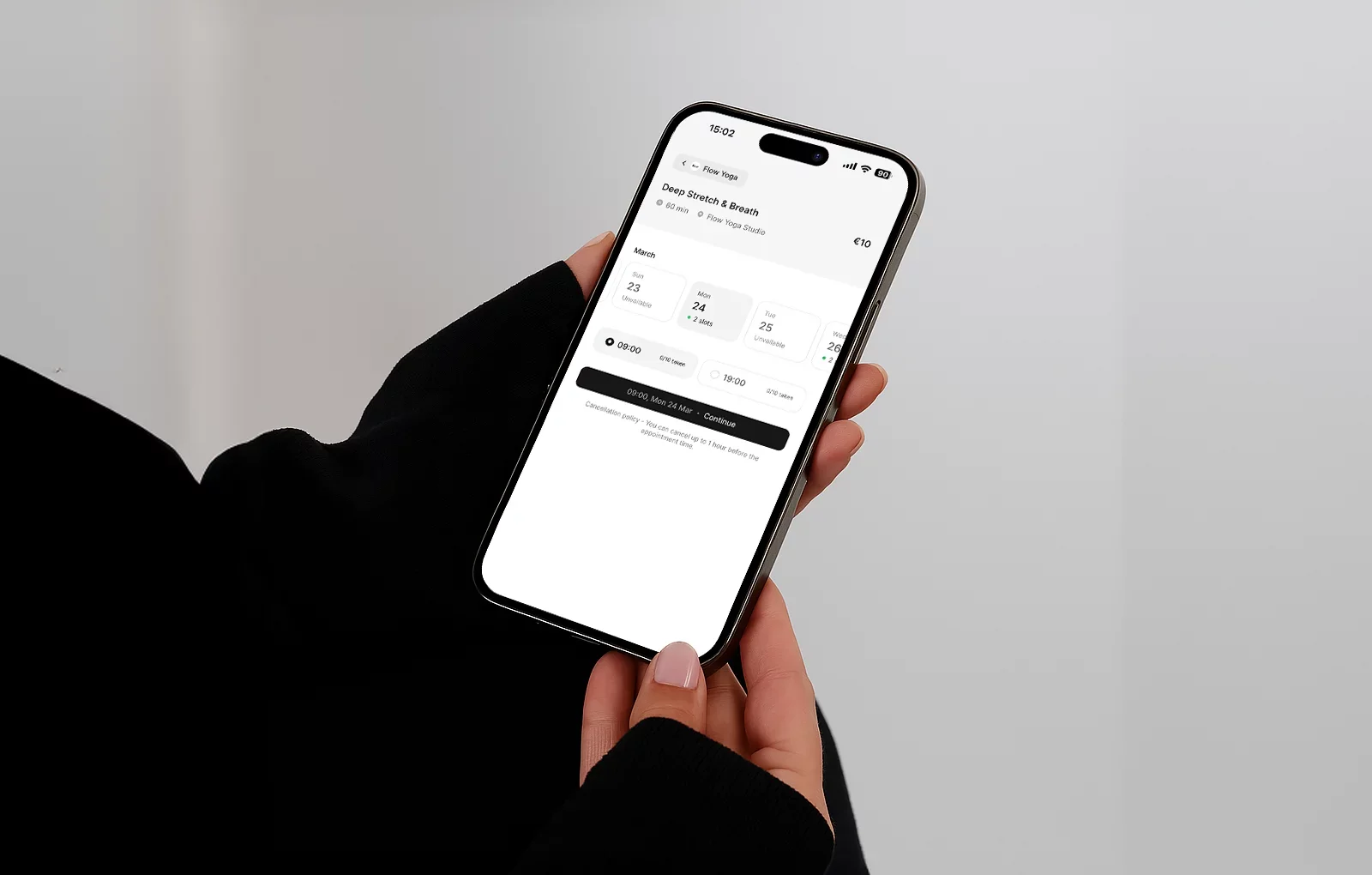
Modern tools like Time2book make it easier to organize your classes and deliver a consistent experience, but the foundation is still the same: teaching Pilates the right way.
In this guide, we’ll break down the principles of Pilates, explain what each one means, and show how to apply them in real studio settings in 2026.
What are the 6 principles of pilates?
The 6 principles of Pilates are the core ideas behind the method developed by Joseph Pilates. They are:
- Concentration
- Control
- Centering
- Precision
- Breath
- Flow
These principles are what separate Pilates from general fitness workouts. They focus on quality over quantity, helping clients build strength, awareness, and long-term movement patterns.
1. Concentration
Concentration means being fully present during every movement. In Pilates, clients aren’t just going through motions - they are actively thinking about:
- Muscle engagement
- Alignment
- Breathing
- Movement quality
Why it matters
Without concentration, exercises lose their effectiveness. Clients may rush, compensate, or use the wrong muscles.
How to apply it in your studio
- Encourage slow, intentional movement
- Use clear, simple cues
- Avoid overcrowded classes where focus is lost
Studio insight: Smaller class sizes often lead to better concentration, and higher client retention.
2. Control
Pilates was originally called Contrology - which tells you everything. Control means every movement is deliberate and guided. No momentum. No sloppy reps.
Why it matters
- Prevents injury
- Builds real strength
- Improves body awareness
How to apply it in your studio
- Teach clients to move slower, not faster
- Emphasize form over repetitions
- Avoid turning classes into high-speed workouts
Common mistake: Trying to make Pilates “look like HIIT” often removes the core value of control.
3. Centering
Centering refers to the “powerhouse”—the core muscles including:
- Abdominals
- Lower back
- Hips
- Glutes
All movement in Pilates starts from this center.
Why it matters
- Creates stability
- Protects the spine
- Improves posture
How to apply it in your studio
- Begin classes with core activation
- Reinforce core engagement in every exercise
- Educate clients on what “engaged core” actually feels like
Studio tip: Naming classes like “Core & Control” or “Powerhouse Flow” can reinforce this principle in your brand.
4. Precision
In Pilates, how you move matters more than how much you move. Precision means:
- Correct alignment
- Exact movement patterns
- Attention to detail
Why it matters
Small adjustments can completely change the effectiveness of an exercise.
How to apply it in your studio
- Give individual corrections
- Use mirrors or visual cues
- Keep class sizes manageable
Real-world impact: Precision is one of the main reasons clients choose boutique Pilates studios over general gyms.
5. Breath
Breathing in Pilates is not passive—it’s active and intentional.
Why it matters
- Supports movement
- Improves oxygen flow
- Helps maintain rhythm and control
How to apply it in your studio
- Cue breathing with every movement
- Teach lateral (rib cage) breathing
- Remind clients not to hold their breath
Common issue: Beginners often forget to breathe—consistent reminders make a huge difference.
6. Flow
Flow is about creating smooth, continuous movement. Exercises should connect naturally, creating a rhythm.
Why it matters
- Improves coordination
- Makes sessions feel enjoyable
- Builds endurance
How to apply it in your studio
- Plan classes with logical sequences
- Avoid too many interruptions
- Balance structure with fluidity
Studio insight: Flow is what makes a class feel “premium” and keeps clients coming back.
How the principles of pilates shape a successful studio
Understanding the 6 principles of Pilates is one thing. Building your studio around them is where the real impact happens.
Class design
- Smaller groups improve concentration and precision
- Structured sequences improve flow
- Clear instruction supports control
Client experience
- Better results → higher retention
- More personal attention → premium pricing potential
- Consistent teaching → stronger brand identity
Operations (where most studios struggle)
Even if your teaching is excellent, operational friction can break the experience.
Common issues:
- Clients can’t easily book classes
- Payments are slow or manual
- Schedules are confusing
That’s where a modern system like Time2book comes in:
- Clients book in seconds
- Payments are instant (Apple Pay, Google Pay)
- Clear schedules improve attendance
Result: Your studio can focus on teaching the principles—not managing chaos.
Frequently asked questions
The 6 principles of Pilates are concentration, control, centering, precision, breath, and flow. These principles guide how exercises are performed and ensure movements are effective, safe, and intentional.
The principles of Pilates ensure that exercises focus on quality rather than quantity. They help improve posture, prevent injuries, and create long-term strength and body awareness.
For studios, they also define the quality of instruction, which directly impacts client satisfaction and retention.
The method was developed by Joseph Pilates. While he didn’t formally list the six principles, they were later defined by his students based on his teachings.
Start simple:
- Focus on breath and control first
- Use clear, slow instructions
- Avoid overwhelming cues
Over time, introduce precision and flow as clients become more comfortable.
Not really. Without the principles of Pilates, exercises become generic movements. The real benefits—core strength, posture, control—come from applying these principles consistently.
Retention comes down to:
- High-quality instruction (based on the principles)
- Consistent class experience
- Easy booking and payments
Studios using tools like Time2book often see better retention because clients can easily book, pay, and return without friction.
All six principles work together, but control and concentration are often considered the foundation. Without them, the other principles become difficult to apply effectively.
Final Thoughts
The 6 principles of Pilates are not just theory—they are what make Pilates effective. For studio owners, they influence everything:
- How you teach
- How you structure classes
- How clients experience your brand
But great teaching alone isn’t enough in 2026. Clients expect:
- Easy booking
- Fast payments
- Clear schedules
That’s why combining strong Pilates fundamentals with a modern system like Time2book is key. Try Time2book free today and simplify your studio bookings, payments, and client management.