Pricing Pilates correctly is one of the hardest — and most important — decisions you’ll make as a studio owner or independent instructor.
Charge too little, and you risk burnout, packed classes with thin margins, and no room to grow. Charge too much, and potential clients may hesitate or compare you unfavorably without understanding the value you offer.
Pilates pricing is never one-size-fits-all. Reformer vs mat, private vs group, instructor experience, class size, and memberships all influence what you should charge.
In this guide, we’ll break down Pilates pricing in 2026, using real USD price ranges and practical examples to help you confidently price classes and sessions in a sustainable way.
What Affects Pilates Pricing?
Before setting numbers, it’s important to understand why Pilates prices vary so widely. Strong pricing reflects real costs, clear positioning, and long-term viability — not guesswork.
Instructor experience and certifications
Instructor experience plays a major role in pricing. Instructors with advanced certifications, years of teaching experience, or niche expertise naturally charge more — and they also earn more overall. If you’re curious about income benchmarks, see our guide on Pilates instructor salary in 2025: how much do Pilates instructors make?
Studio location and audience
Studios in major cities often support higher prices, but premium pricing can work anywhere if the value is communicated clearly and consistently.
Equipment and class size
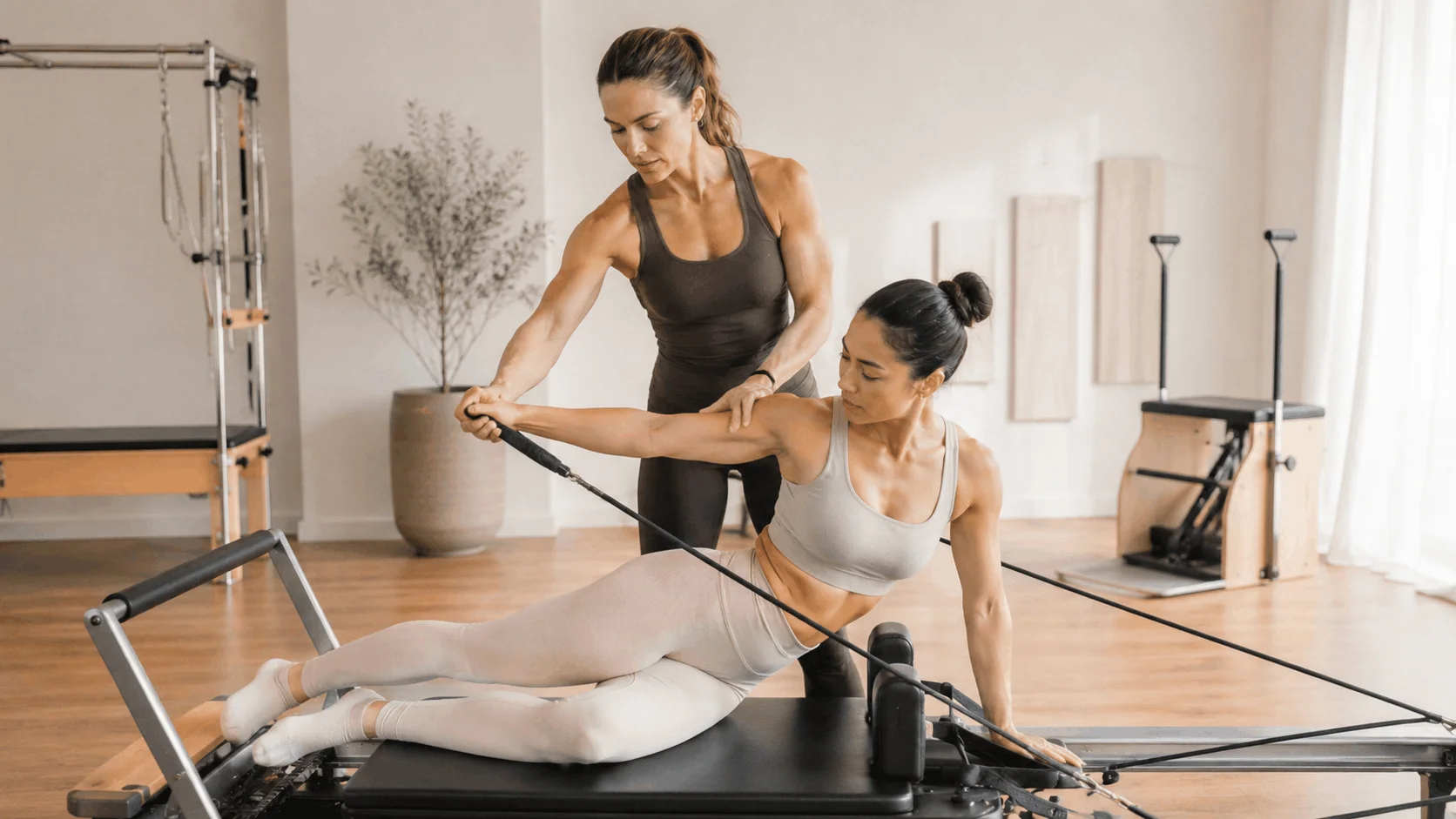
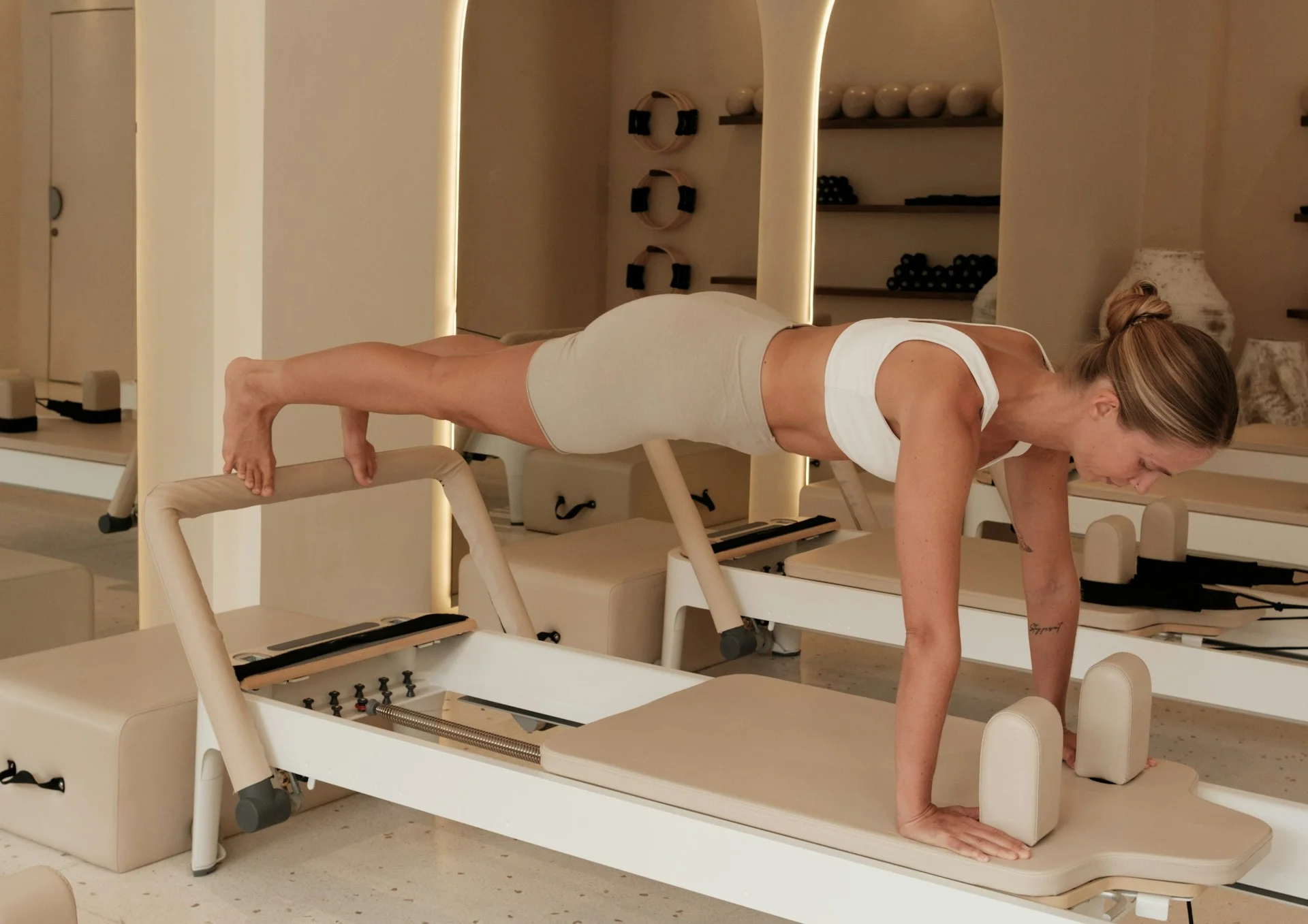
Reformer Pilates is priced higher because reformers are expensive, require maintenance, and limit class size. Mat classes scale more easily with lower overhead.
Operating costs
Your prices must cover rent, instructor pay, equipment, insurance, admin time, marketing, and software. If pricing doesn’t reflect these costs, growth becomes difficult.
Average Pilates Prices in the US (2026)
Below are realistic, industry-average Pilates prices in USD for 2026. These ranges reflect sustainable studios, not extreme luxury or budget outliers.
Type
Average Price (USD)
Mat group class
$20–$35
Reformer group class
$35–$60
Semi-private (2–4 people)
$40–$75
Private Pilates session
$75–$120
Monthly membership
$160–$320
These ranges give you flexibility to position yourself as more accessible or more premium, depending on your brand and demand.
Reformer Pilates Pricing Explained
Reformer Pilates is typically your highest-value offering and should be priced accordingly.
Average reformer Pilates prices
- Drop-in class: $35–$60
- 10-class pack: $300–$520
- Monthly unlimited: $220–$350
- Private reformer session: $90–$130
Studios charging significantly less often struggle with margins due to equipment and staffing costs.
Why reformer Pilates costs more
Reformer Pilates involves expensive equipment, smaller classes, longer setup time, and higher instructor training requirements. When this value is communicated clearly, clients generally understand and accept the price difference.
Mat Pilates Pricing Explained
Mat Pilates remains one of the most accessible and popular entry points, especially for new clients.
Average mat Pilates prices
- Drop-in class: $20–$35
- 10-class pack: $160–$280
- Monthly membership: $120–$200
When mat Pilates pricing works best
Mat classes work well for beginners, community-focused studios, intro offers, and as a complement to reformer or private sessions. They also allow for larger class sizes and more flexible scheduling.
Private vs Group Pilates Pricing
One of the most common questions studio owners ask is whether private or group Pilates is more profitable. The reality is that both play different roles.
Private Pilates pricing
- Average price: $75–$120 per session
- 10-session packages: $700–$1,100
Private sessions offer the highest price per client, strong retention, and deep results. They’re ideal for advanced clients, rehab-focused work, or premium experiences.
Group and semi-private pricing
- Group mat or reformer: $20–$60
- Semi-private (2–4 clients): $40–$75 per person
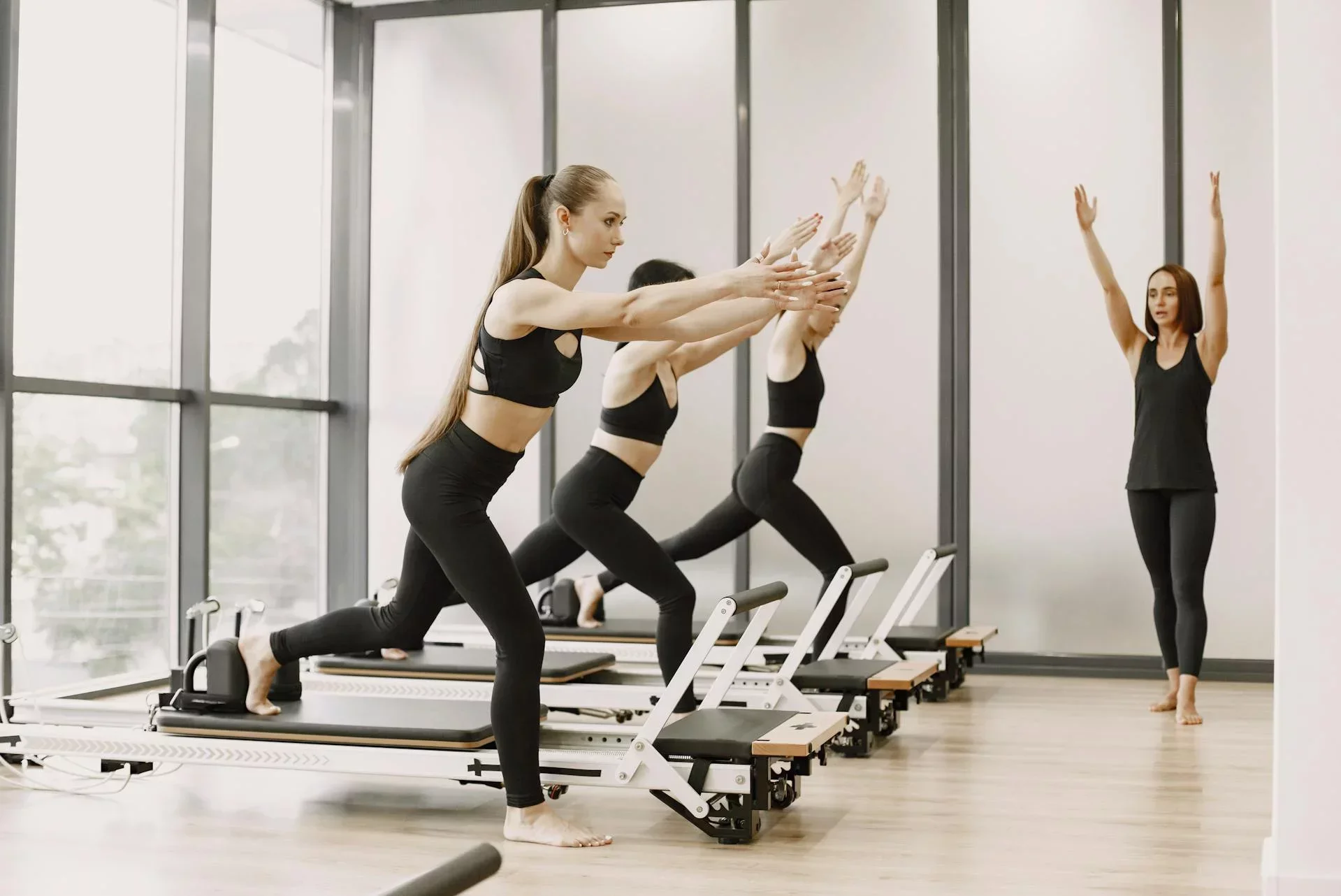
Group sessions scale instructor time and maximize revenue per hour, while keeping prices accessible.
Which is more profitable?
Private sessions deliver higher margins per client. Group sessions deliver higher margins per hour. The healthiest studios usually offer both.
Pilates Studio Pricing vs Independent Instructor Pricing
Pricing strategies differ depending on whether you run a studio or teach independently.
Pilates studio pricing
Studios typically offer drop-ins, class packs, monthly memberships, and unlimited plans. Prices are higher because studios provide space, equipment, scheduling convenience, and a consistent brand experience.
Independent instructor pricing
Independent instructors usually charge $60–$100 for private sessions and slightly less for semi-private work. Lower overhead allows flexibility, but pricing should still reflect experience and demand.
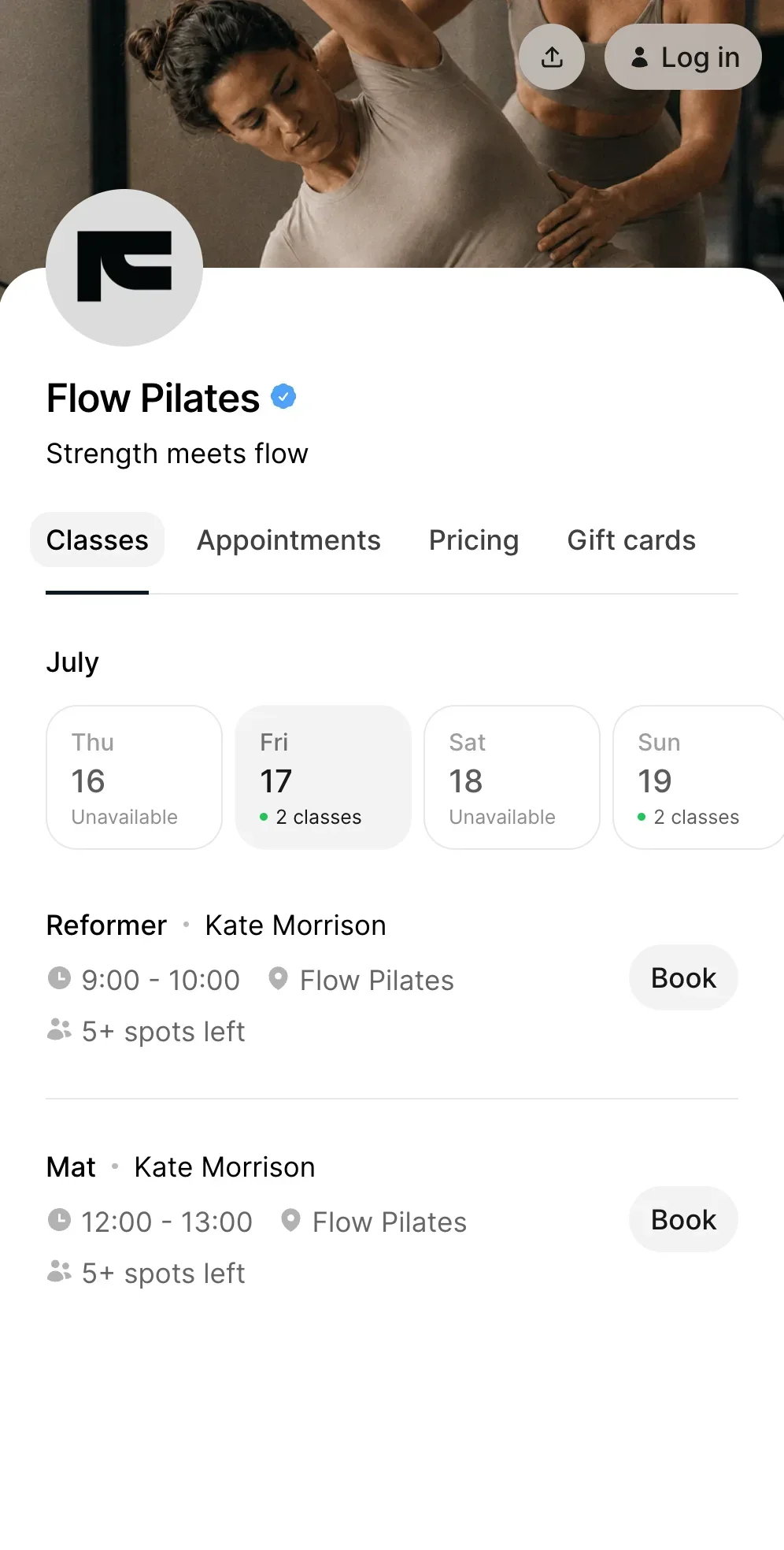
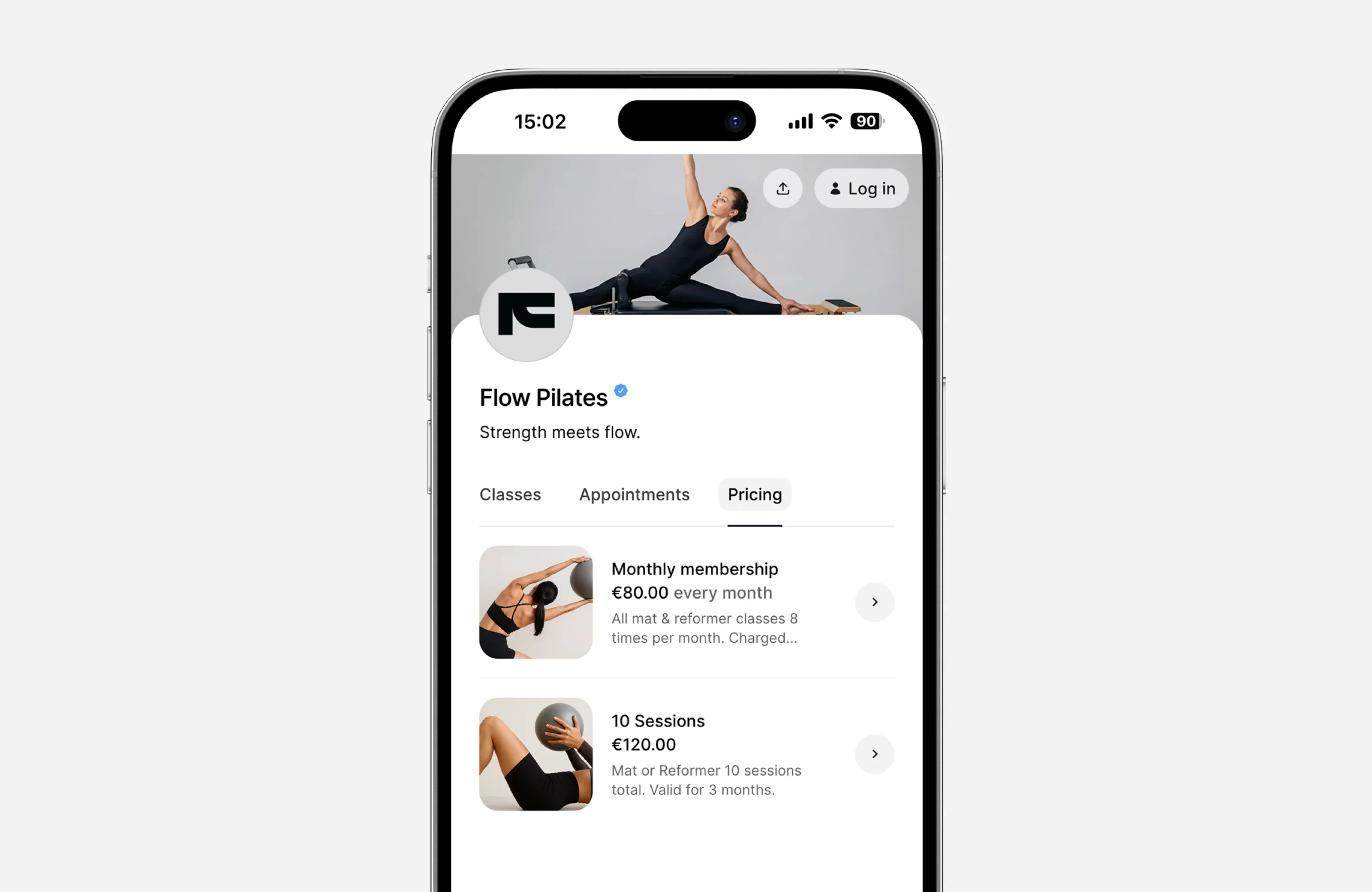
This is where simple tools like time2book help instructors sell sessions, packs, and memberships without added admin work.
Pilates Memberships & Pricing Models That Work
Memberships create predictable income and long-term client relationships.
Common Pilates pricing models
Studios usually combine drop-ins, class packs, monthly memberships, and unlimited plans. Drop-ins carry the highest per-class price, while memberships reward consistency.
Example Pilates pricing structure (USD)
- Drop-in reformer class: $45
- 10-class reformer pack: $420
- 8 classes per month: $220
- Unlimited monthly: $320
Clear, simple pricing structures convert better than long lists of options.
How to Price Pilates Classes Step by Step
If you’re setting prices from scratch or revisiting them, this framework works well:
- Calculate your true hourly cost
- Decide your positioning (premium or accessible)
- Set sustainable base prices
- Add simple packs and memberships
- Review pricing every 6–12 months
Pricing should evolve as demand, costs, and experience grow.
Common Pilates Pricing Mistakes to Avoid
Many studios struggle not because of demand, but because of pricing decisions.
Common mistakes include copying competitors blindly, underpricing private sessions, offering too many confusing options, never increasing prices, or relying on discounts instead of value.
Clear, confident pricing builds trust with clients.
Frequently Asked Questions About Pilates Pricing
Most studios charge $20–$35 for mat classes and $35–$60 for reformer classes. Pricing depends on class size, experience, and location.
Reformer Pilates costs more due to equipment investment, smaller classes, and higher training requirements, which result in more personalized instruction.
Private Pilates instructors typically charge $75–$120 per hour in the US, depending on experience and market.
Monthly Pilates memberships usually range from $160–$320, depending on class type and frequency.
On average, yes. Reformer Pilates requires equipment and smaller class sizes, which increases costs compared to mat-based yoga.
Most studios review pricing annually. Small, regular increases are easier for clients to accept than infrequent large jumps.
Managing Pilates Pricing Without the Admin Headache
Once pricing is set, execution matters. Studios and instructors need a simple way to sell drop-ins, packs, and memberships, adjust prices easily, and let clients book and pay online.
Tools like Time2book are designed for modern Pilates studios and independent instructors who want flexible pricing without unnecessary complexity.
Final Thoughts: Pricing Pilates for Long-Term Success
Pilates pricing isn’t about being the cheapest. It’s about being sustainable, clear, and confident.
Reformer and private sessions deserve premium pricing. Mat classes create accessibility and volume. Memberships stabilize income. When your prices reflect real value and real costs, growth becomes possible.
If you’re reviewing or setting Pilates prices for 2026, focus on clarity and consistency — and build a pricing structure that supports both your clients and your business long term.