If you’re considering a career in music education—or you’re already teaching and wondering whether the income is sustainable—you’ve probably searched phrases like “music teacher salary,” “average salary of a music teacher,” or “how much do music teachers make.”
The short answer? It depends heavily on where and how you teach.
In 2026, music teachers work in many different settings: public schools, high schools, universities, private studios, online platforms, and as independent private instructors. Some earn stable salaries with benefits, while others build flexible, high-income teaching businesses on their own terms.
In this guide, we break down music teacher salaries in 2026 using realistic numbers, covering:
- Public and high school music teacher salaries
- Private music teacher income
- Music professor salaries
- Hourly vs salaried pay
- Long-term earning potential
If you’re looking for clear, honest answers about music education salaries, you’re in the right place.
Average Salary of a Music Teacher in the US (2026)
Let’s start with the most searched question.
What Is the Average Salary of a Music Teacher?
In the United States, the average salary of a music teacher in 2026 typically falls between:
- $45,000–$75,000 per year
- Hourly equivalent: $25–$45/hour
This range includes:
- Elementary and middle school music teachers
- High school music teachers
- Public school educators with music specialization
It does not include private music teachers or university professors, which we’ll cover separately.
Music Teacher Salary Overview
Role
Average Annual Salary (USD)
Pay Type
Elementary Music Teacher
$45,000–$65,000
Salary
High School Music Teacher
$50,000–$75,000
Salary
Private Music Teacher
$50,000–$100,000+
Hourly
Music Professor
$65,000–$120,000+
Salary
How Much Do Music Teachers Make?
The question “how much do music teachers make?” has different answers depending on education level, employer, and teaching format.
Music Teacher Salary by Experience
Entry-level music teacher
- $42,000–$50,000
- Often first 1–3 years
- Typically public or charter schools
Mid-career music teacher
- $55,000–$70,000
- 5–10 years experience
- Possible leadership or department roles
Experienced / senior teacher
- $70,000–$85,000+
- Advanced degrees
- Higher-paying districts or private schools
Location and school funding play a major role here.
High School Music Teacher Salary
One of the most searched terms in this category is “high school music teacher salary.”
Average High School Music Teacher Salary (2026)
- $50,000–$75,000 per year
- Higher in urban or well-funded districts
- Often includes benefits (healthcare, pension, paid breaks)
High school music teachers often take on additional responsibilities such as:
- Band or orchestra direction
- Choir leadership
- After-school rehearsals
- Performances and competitions
These duties may come with stipends or bonuses, increasing total compensation.
Music Education Salaries by School Type
Public Schools
- Stable salary
- Benefits included
- Pay increases tied to tenure and education level
Private Schools
- Slightly higher base pay in some cases
- Fewer long-term benefits
- More flexibility in curriculum
Charter Schools
- Variable pay
- Performance-based contracts
- Less standardized salary structure
Private Music Teacher Salary
Private teaching is where income varies the most—and where earning potential increases significantly.
Average Private Music Teacher Salary
In 2026, private music teacher salary ranges typically look like this:
- Hourly rate: $40–$100 per lesson
- Annual income: $50,000–$100,000+
This depends on:
- Instrument specialization (piano, violin, guitar, voice)
- Location
- Client volume
- Online vs in-person lessons
Private Music Teacher Income Examples
15 students × $60/week
- $900/week
- ~$3,600/month
- ~$43,000/year
30 students × $70/week
- $2,100/week
- ~$8,400/month
- ~$100,800/year
Private teachers who teach groups, packages, or monthly plans often earn more with fewer teaching hours.
Salary for a Music Teacher: Hourly vs Salary
Salaried Music Teachers
Pros:
- Predictable income
- Benefits
- Paid holidays
Cons:
- Limited earning ceiling
- Less schedule flexibility
Hourly / Private Music Teachers
Pros:
- Higher hourly rates
- Income scalability
- Control over pricing
Cons:
- Income variability
- Admin and scheduling responsibility
In 2026, many music teachers combine both models.
Salary of a Music Professor
University-level teaching is a separate category entirely.
Average Salary of a Music Professor
The salary of a music professor in the US typically ranges from:
- $65,000–$90,000 (assistant professor)
- $80,000–$120,000+ (associate or full professor)
Factors influencing salary:
- Tenure status
- Institution prestige
- Research and performance credentials
Music professors often supplement income through:
- Private lessons
- Performances
- Masterclasses
Music Education Salaries vs Private Teaching
Teaching Path
Income Stability
Income Ceiling
Flexibility
Public School Music Teacher
High
Medium
Low
High School Music Teacher
High
Medium
Medium
Private Music Teacher
Medium
High
High
Music Professor
High
Medium–High
Medium
How Music Teachers Increase Their Income in 2026
Many music teachers earn less than they could—not because of lack of skill, but because of structure.
Proven Ways to Earn More
- Teaching multiple students at once
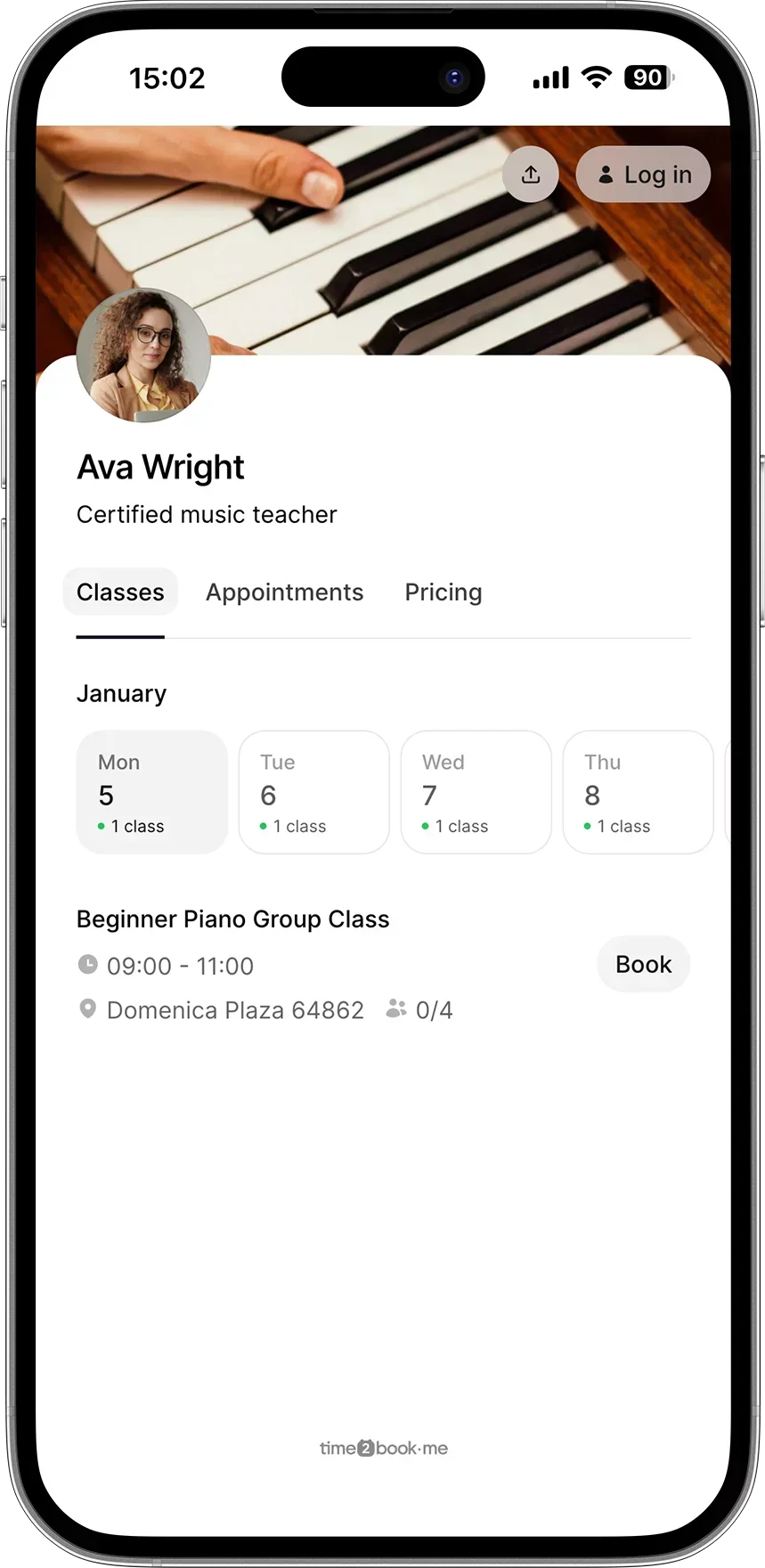
- Selling monthly lesson packages using Music teacher booking software
- Offering online lessons
- Teaching niche styles or exam prep
- Reducing cancellations and no-shows
Teachers who systemize bookings and payments consistently earn more.
Online Lessons and Hybrid Teaching
By 2026, online music lessons are fully normalized.
Benefits:
- Broader client base
- No travel time
- Flexible scheduling
Many teachers now combine:
- In-person lessons
- Online students
- Recorded materials
This hybrid model increases both income and stability.
Frequently Asked Questions About Music Teacher Salary
The average salary of a music teacher in the US in 2026 is $45,000–$75,000 per year, depending on experience, location, and school type.
Most music teachers earn between $45,000 and $75,000 annually, while private music teachers can earn more depending on student volume.
Private music teachers typically earn $40–$100 per hour, with annual income ranging from $50,000 to over $100,000.
High school music teachers earn an average of $50,000–$75,000 per year, often with benefits and additional stipends.
Music professors earn between $65,000 and $120,000+ per year, depending on rank, tenure, and institution.
Music teachers increase income by teaching privately, offering group lessons, selling packages with Music teacher software, and automating scheduling and payments.
Final Thoughts
In 2026, music teacher salary depends more on structure than talent alone. Public school and high school music teachers benefit from stability, while private music teachers enjoy significantly higher earning potential and flexibility.
The most successful music educators combine teaching skill with smart systems—controlling their schedule, pricing, and client experience.
Whether you’re teaching in a classroom, a university, or your own studio, music education remains a meaningful and financially viable career—especially for teachers who adapt to modern teaching models.